
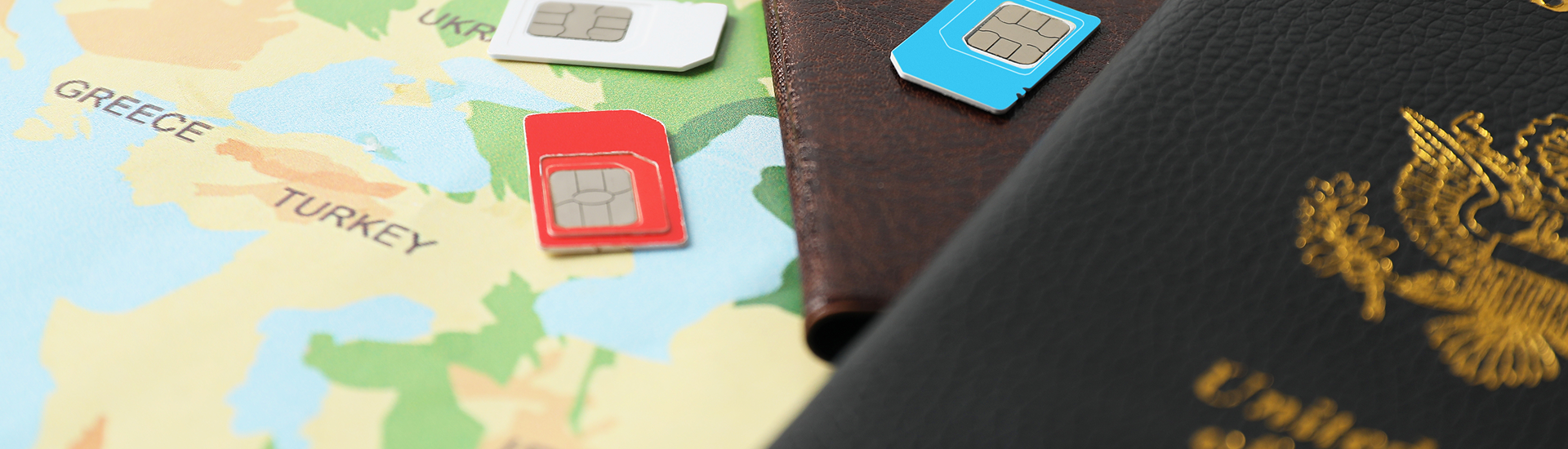
Whenever you are traveling abroad, such as to Paris, Mexico, or Bangkok, you need data right away to access things. The fastest option we all look for is to buy a SIM Card at an airport kiosk abroad. I am sure we all have done this at least once in our lives. But we don’t think about what happens in those 30 seconds before that SIM card actually starts working. Because in most countries, you are not just handing over cash to get a SIM card; you are actually handing over your passport and your details. How?
To buy a SIM card abroad or in most countries, you need to show your ID to register it. According to the GSMA ( a trade body that represents mobile network operators worldwide), roughly 160 countries’ governments now require prepaid SIM registration. So, whenever you are planning to travel, there is one question you must ask yourself: how to stay connected while traveling abroad. The options that come to mind are roaming fees, pocket Wi-Fi, a local SIM card, or a travel eSIM. Many travelers assume that getting a travel eSIM will be an expensive affair. However, buying a SIM card abroad comes with many security risks, including the risk of theft of your personal details.
Read our blog to know what buying a SIM card abroad looks like, so that you know what you are agreeing to before buying a local SIM card.
What Actually Happens At A SIM Card Kiosk?
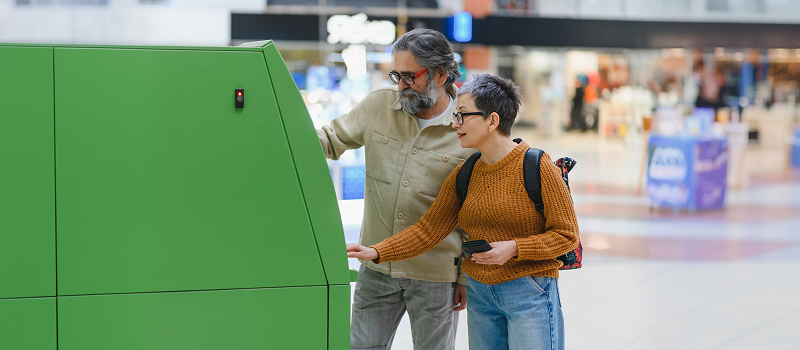
The process of buying a SIM card abroad at an airport or a local kiosk is so quick that people often opt for it. All you have to do is hand over your passport; the vendor then enters your details into the system or photographs the ID page directly, and within a few minutes, you have a working local SIM card. That’s all that happens on the traveler’s side.
However, what happens on the other side of that counter matters a lot. No matter where you are buying your SIM card abroad, like an official carrier store, airport kiosk, or licensed telecom provider, all of them use the same registration system the carrier uses for every local customer. So your information is also stored the same way as a resident.
A SIM bought from an unlicensed street vendor, reseller, or intermediary who is not officially affiliated with the carrier can be a different situation altogether. There is no way to find out whether that person is registering your passport details through a proper carrier system, writing it down, or storing the photograph of the passport. Your SIM will work either way, but what happens to the personal details on your passport when it is handed over?
Why This Is A Real Risk: Explained
A passport page carries your full name, date of birth, nationality, and passport number. Basically, everything that requires opening important information, such as bank accounts, applying for credit, or impersonating you in some places where basic documents are required. When a licensed operator collects this personal information, it is stored in a regulated system with built-in accountability. However, when an unverified seller collects it, then there is no guarantee that it goes to a safe place or is resold as data.
Showing your ID to register is not by itself something to worry about. It’s simple: in many countries, the law is similar to needing an ID to open a bank account. And a SIM card purchased from a legitimate company works as intended. The risk of personal data theft comes only with one kind of unlicensed seller. That’s the seller to be careful of, and not of buying a SIM card abroad.
What To Check Before You Hand Over Your ID To Any SIM Vendor
Here are some things which you should definitely check before handing your ID to any SIM vendor abroad:
1. Look at where you are buying a SIM card abroad:
An official carrier store, a staffed counter inside an airport, or a well-known licensed retailer is registering your details through an official automated system. Whereas a folding table, a kiosk with no license, is a different level of risk.
2. Ask what happens to the copy of your passport:
A legitimate vendor will tell you in simple terms, such as whether your ID is entered into a system or whether physical photographs are kept on file. Hesitation or a vague answer can also give you clarity.
3. Check reviews on Google:
Any legitimate vendor will register itself on Google. So check the Google reviews to see that people visit that store regularly, not just 1 or 2 customers.
Why a Travel eSIM Sidesteps This Entire Hassle and Is the Safest Option
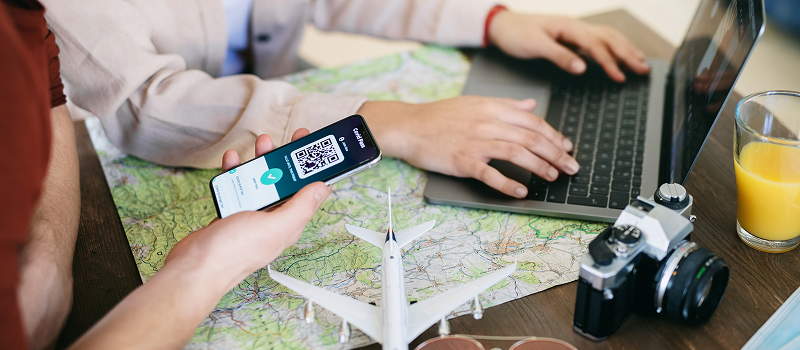
A travel eSIM eliminates this specific chance of exposure of your personal information for one simple reason: there is no physical SIM card. There is no situation in which you hand your passport to a stranger to buy a SIM card abroad. All you have to do is install Maya Mobile eSIM digitally through an app, even before you leave your home. Your purchased plan is activated the moment you land in another country and runs alongside your home SIM, so your home number also keeps working. There is no handing off, waiting in a long queue, using an unregulated kiosk, or a chance of personal data theft.
And if you are someone who keeps traveling like morning breakfast in Paris and then lunch in New York, then Maya eSIM covers 165+ countries in one eSIM. However, before you buy a plan, make sure your device supports eSIM technology and is unlocked.
Conclusion
None of this means you need to treat every SIM vendor the same when buying a SIM card abroad. Vacations are for relaxing, not for thinking about protecting your data. However, if you are not careful, purchasing a SIM card abroad can expose your personal information. And you can choose alternatives for a more secure, hassle-free way to stay connected throughout your trip, such as travel eSIMs.
Also Read
- International Driving Permit: Do You Need One to Rent A Car Abroad?
- Best eSIM for F1 2026: Your Guide to the Final Race Weekends
- The Jet Lag Reset That Actually Works: A 48-Hour Plan
- Carrier Locked iPhone: Should You Buy Your iPhone 18 Unlocked Instead?
- Studying Abroad This Fall: Your First Month Checklist
- Visa-Free, Visa-on-Arrival and eVisa Destinations for Weak Passports in 2026
- Digital Nomad eSIM Guide 2026