

Every study abroad group chat has the same two messages. The first one lands within an hour of touchdown “I’m loving this place already.” The second landed four days later, “wait, why is my card declined, and why do I need an appointment just to book an appointment?” The second text is the real study abroad experience, and it’s the one no “ultimate packing checklist” post warns you about. They will tell you to sort out an eSIM for study abroad before you board, or to bring a journal for “processing your growth.” Nobody mentions the paperwork with an actual deadline, the bank card that freezes on day two, or the flat you put a deposit on without ever seeing it in person.
In short, the semester goes smoothly if you sort your visa, housing deposit, bank notification, and an eSIM for study abroad before you take your flight. Get this sorted early, and it sets you up for a completely hands-off term. Take care of it now, and you will have all the time in the world to settle in and get to know your flatmates during orientation week rather than waiting to hold with your bank.
Your First-Week Essentials (At a Glance)
If you read nothing else, run this list in your first few days:
- University or program check-in completed
- Accommodation address and an emergency contact saved
- Any visa, residence or registration task associated with its official deadline
- Health insurance and any prescription plan confirmed
- A payment method tested, plus a backup method available
- Phone, SIM or eSIM working before you leave the airport
- Local transport option identified (transit card, app or pass)
- Emergency numbers and your embassy or consulate contact are saved
What Has To Be Sorted Before You Leave
Three non-negotiable details need your attention long before move-in week:
1. Your Visa Timeline
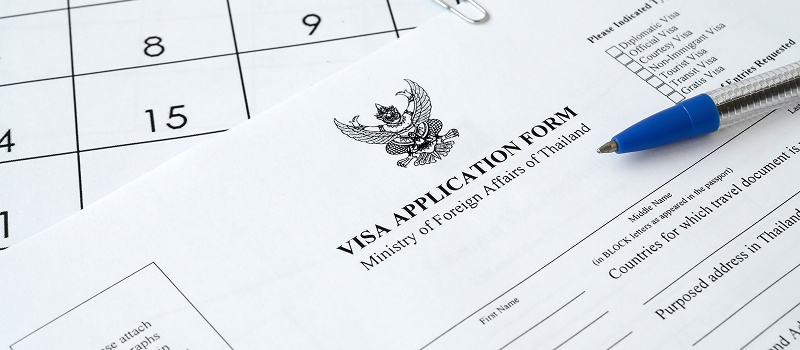
Start as soon as your acceptance is confirmed. Processing times vary widely by nationality, destination, and program type, and appointment slots can fill up ahead of the fall intake.
Check locally, then note it down:
- The visa or permit instructions for your nationality, destination and program type
- Whether a residence permit, local registration or university check-in is required after you arrive
- The official deadline and appointment process — record the actual date, not a general “allow a few weeks”
- If your documents need certified translations or an apostille, build in extra time as a personal planning buffer
Keep copies of your passport, visa, acceptance letter, insurance, and housing confirmation in both secure digital and physical formats. A student visa alone rarely settles every post-arrival requirement — assume there may be a step waiting for you on the other side.
2. Your Housing Deposit

Most landlords and student housing providers require a deposit weeks before arrival to secure your room. Before executing a bank transfer, especially for a property you have not viewed in person:
- Verify the landlord, provider or university housing office independently (through the university, not just a link they sent you)
- Read the cancellation, refund, deposit and move-in terms before paying
- Be cautious when the price, urgency, payment method or “no viewing available” feels off
- Keep proof of payment, the agreement, all messages and the property details
- Have a temporary accommodation plan in case permanent housing isn’t confirmed on arrival.
Before you start packing your life into a couple of suitcases, make sure you invest in the best travel backpack to handle long transit days and weekend trips hassle-free.
3. Your Bank Travel Notice
Notify your card issuers of your destination and travel dates before departing. A flagged or frozen debit card during your first week abroad is an easily avoidable disruption that can be prevented with just a brief message or app toggle.
Your First Two Weeks: What Needs To Happen Immediately vs. What Can Wait
When you arrive at your destination, every task feels urgent. However, prioritizing administrative keys over aesthetic choices is what keeps your transition abroad smooth.
1. Do This Fast ( Days 1 to 5)
- Local Residency Registration: Host-country registrations, such as Germany’s Anmeldung. These run on strict legal deadlines and unlock almost every other service and benefit, including bank accounts and resident transit passes.
- Student ID & Campus Portals: Getting your physical card and digital login sorted early gives you immediate access to campus facilities, library systems, and student discount networks.
- A Reliable Way to Receive Funds: Ensure you have a working method to transfer and access funds locally without incurring excessive foreign exchange fees.
2. This Can Wait (Days 6 to 14+)
- Finding Your Everyday “Spots”: Don’t stress about immediately finding your go-to cafe, study nook, or grocery store. That happens naturally as your schedule settles in the foreign country.
- Signing Up For Every Campus Club: Explore the welcome fair, but wait a few days before committing to membership fees or heavy meeting schedules.
- Perfecting your Room Setup: Decorating can wait. Focus week one on the structural logistics that unlock your freedom rather than administrative busywork that only feels productive.
Building A Routine That Survives Past Week Three
The first fortnight runs on pure adrenaline of new sights, new flatmates, and every task feeling like an adventure. But as the novelty fades, it often does so faster than anyone predicts. Building a sustainable everyday routine is what turns an unfamiliar city into a place that feels like home.
Navigating the Week-Three Homesickness Spike
Most study abroad orientation programs introduce some version of the “culture shock curve,” pointing to a dip around weeks three to six. This transition happens right when the initial excitement wears off, but before your daily habits have fully formed. You are no longer running on high energy, but you have not yet established the quiet anchors that create a sense of belonging.
How To Anchor Yourself Daily
Overcoming this slump doesn’t require drastic lifestyle changes. It comes down to micro-habits: rather than waiting for a perfect routine to emerge, rebuild two or three familiar comforts from home within your new environment.
- Maintain a Familiar Anchor: Re-establish a simple ritual such as a morning gym session, a quiet Sunday walk, or a dedicated weekly call with family or friends.
- Find a local Constant: Pick one neighborhood spot like a nearby cafe, a park bench, or a local market and visit it regularly until it feels second nature.
- Prioritizes Small & Repeatable over Big & Occasional: Daily predictability creates stability much faster than waiting for weekend trips or major events to fill your calendar.
Sorted Before You Land: Choosing the Right eSIM for Study Abroad

Why a local Physical SIM is rarely the quick fix it sounds like
Picking up a physical SIM at your destination sounds simple until you are standing at a mobile shop counter being asked for a local residence permit you haven’t received yet. Or a regional bank account you have not opened, or a long-term contract in a language you are still learning. In many popular exchange destinations, buying local prepaid data requires proof of registered residency, creating a frustrating loop before you even leave the airport. Setting up a digital eSIM before departure bypasses that headache entirely. You purchase your plan online, scan a quick QR code, and activate your data the moment your flight lands – no stress of physical stores, no residency paperwork, and zero downtime.
Physical Local SIM vs. Maya Mobile eSIM
| Feature | Physical Local SIM | Maya Mobile eSIM |
| Setup Process | Requires a physical store visit, ID, and often a local address | Scan a QR code before you fly; ready in 2 minutes |
| Speed & Connectivity | Active only after a store visit and manual registration; speed varies | Automatic 5G speeds with LTE fallback on direct Tier-1 networks. |
| Campus & Multi-device Use | Restricted or extra charges for sharing the connection | Full Hotspot support to power your laptop for lectures or campus study. |
| Travel Across Borders | Requires buying a new SIM or paying regional roaming fees | One single eSIM covering across 165+ countries and 20+ cruises seamlessly |
| Plan Renewal | Manual in-store top-ups or complex local web portals | Auto Top-up: Set it once for the semester and forget it. |
Short Trip or Full Semester? Choosing The Right Plan
The real decision is not whether to use an eSIM; it’s matching your plan to the length of your stay. While weekend trips only require short-term data passes, a full academic term demands predictable, reliable connectivity. Maya Mobile’s 30-day plans are built specifically for students, offering unlimited data without daily caps or hidden tiers. So, you can stream, study, or hotspot your laptop on campus without running out mid-trip.
If your program extends beyond 30 days, simply enable auto-top-up. At just $1.67/per day on the 30-day plan, your connectivity renews seamlessly every month without manual reminders or unexpected data blackouts mid-call or while studying for an exam. If your travel plans change, you can pause or cancel instantly from the app installed on your phone. Sorting your eSIM for study abroad before takeoff removes one major point of friction, leaving your headspace clear for the orientation experience that matters.
FAQs: eSIM for Study Abroad
- Do I need an eSIM or a local SIM for a semester abroad?
An eSIM for study abroad usually lasts for a full semester. A local SIM often means a government ID, an in-country address, or a contract before you can even use it. A Maya eSIM installs before you fly, so you land connected instead of hunting for a shop.
- How long should my eSIM plan be for a semester abroad?
Match the plan to your program length, as Maya’s 30-day plan is built for exactly this. And turning on Auto top-up covers you automatically once your term runs longer.
- Can one eSIM cover my whole time studying abroad?
Yes, if you turn on auto top-up, as with Maya Mobile, one eSIM installation renews automatically for as long as you keep that setting on. Turn it off, and you will need to renew it manually once the plan runs out.
- What’s the best eSIM for studying abroad?
Look for global coverage in case you travel during breaks, unlimited data instead of a capped bundle, so that you can study without stress. A top-up option so connectivity is not one more thing to track. Maya Mobile covers all these important features and offers unlimited data across 165+ countries, plans up to 30 days, and auto-top-up for longer periods.
- Do I need to register my residence after arriving?
Sometimes, it depends entirely on the country. Some destinations require you to register your address within days of arrival (Germany’s Anmeldung is one example); others don’t. Check your destination’s official rules and your university’s international office, and note the real deadline.
- How do I access health care in my host country?
It varies widely. Some countries require registration with a local system or a specific student insurance plan. Confirm what’s required with your university international office and your insurer, and sort out any prescription plan early.
Also Read: Digital Nomad eSIM Guide 2026: How To Stay Connected While You Work Abroad