Identifying places that support meditation begins with simple, tangible factors: low noise, steady surroundings, and access to spaces where you can sit, walk, or practice without interruption. Some destinations naturally offer these conditions through their landscape, local rhythms, or established retreat centers.
But meditation travel is meaningful for more than its practicality; it gives you room to reset, to notice what usually slips past in daily life, and to reconnect with yourself in an environment that doesn’t compete for your attention. This blog highlights locations where the setting makes practice feel intuitive rather than forced, and where restorative routines blend easily into the pace of each day.
1. Varanasi, India
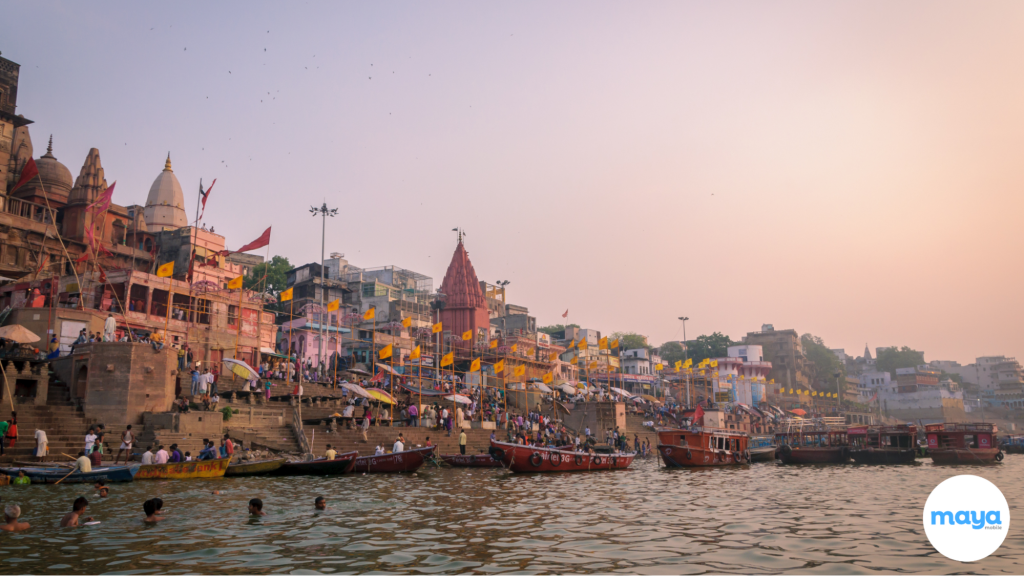
Varanasi, often referred to as the spiritual capital of India, is a dense cultural hub where temples, ghats, and long-established traditions shape daily activity along the Ganges. The city’s structured ritual landscape coexists with quieter riverfront sections and ashrams that support regular meditation practice.
While its core is active, early mornings and certain courtyards provide predictable low-noise zones. Visitors can move between public cultural spaces and calmer areas near the river, making it possible to follow steady routines, join guided sessions, or maintain personal contemplative habits.
Best time to visit
- October–March.
- Cooler temperatures and clearer mornings support outdoor practice and ghat-based activities.
What makes it ideal for meditation
- Ashrams and centers provide structured sessions rooted in long-established traditions.
- Early mornings along the river bring a softer atmosphere, with gentle sounds of water and distant temple bells creating naturally quiet pockets.
- Courtyard spaces within temples offer controlled, low-disturbance environments.
Reconnection activities
- Sunrise walks along key ghats.
- Participation in simple ashram routines.
- Short boat rides for quiet observation.
- Journaling or seated reflection in temple courtyards.
- Exploring heritage lanes at a slow pace.
2. Ubud, Bali
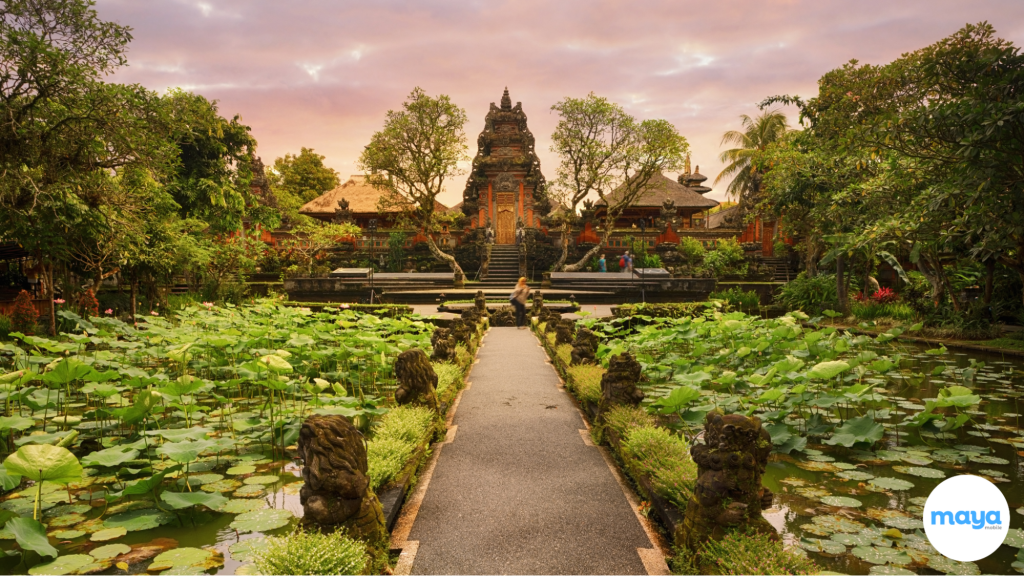
Ubud is a highland cultural district shaped by terraced rice fields, community temples, craft workshops, and wellness centers. Its environment supports reflective travel through slow village pathways, art studios, and plant-based cafés that encourage unhurried routines.
Meditation offerings range from guided practices to open-air spaces overlooking valleys and jungle canopies. The area’s blend of craft traditions, sustainable living initiatives, and nature-oriented guesthouses gives visitors a balanced environment for stillness, observation, and gentle sensory grounding.
Best time to visit
- April–October.
- This period has stable dry-season conditions that support outdoor sessions and nature-based activities.
What makes it ideal for meditation
- Open-air platforms in retreat spaces allow uninterrupted practice.
- Certain areas around Ubud maintain low noise levels.
- Local instructors offer structured breathwork, mindfulness, and silent meditation sessions.
Reconnection activities
- Walking routes through rice terraces.
- Visits to nearby waterfalls for quiet observation.
- Participation in herbal or plant-based workshops.
- Yoga classes are offered across wellness centers.
- Cycling paths through village roads.
- Cooking sessions focused on mindful preparation and local ingredients.
3. Mount Shasta, California
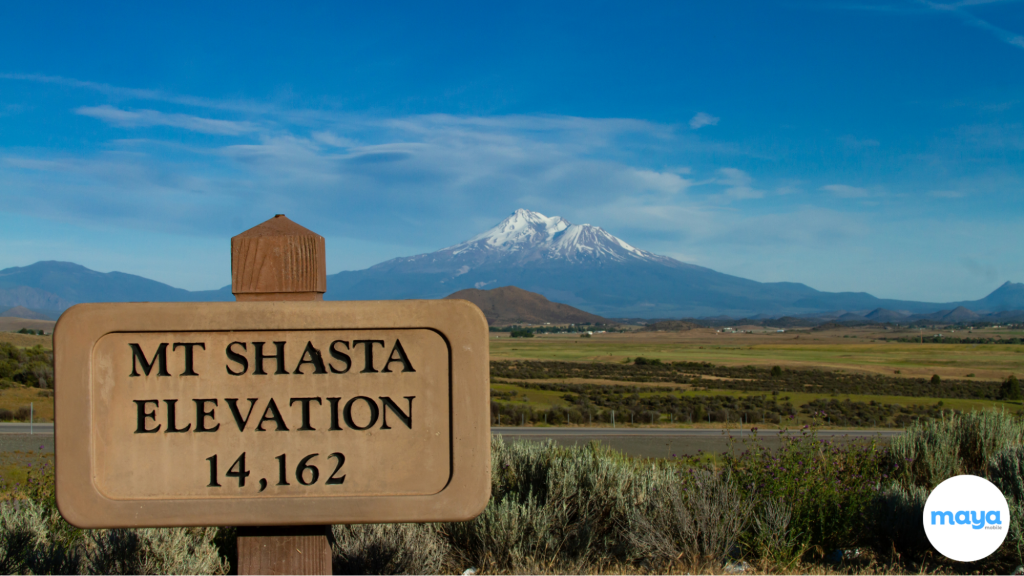
Mount Shasta is a prominent volcanic peak in Northern California known for its high-altitude forests, alpine meadows, and wide-open energy that attracts spiritual seekers and wilderness meditators. The town and surrounding trails offer clear-air conditions and uninterrupted natural stretches ideal for focused awareness.
Retreat centers, crystal shops, and guided nature programs coexist with protected wilderness areas, giving visitors the flexibility to choose structured meditation or solitary outdoor contemplation.
Best time to visit
- June–September.
- These months offer clear trails, stable weather, and accessible high-altitude areas.
What makes it ideal for meditation
- Large forest zones provide consistent low-noise environments.
- Elevated viewpoints create open visual space for seated or walking meditation.
- Local communities and retreat groups emphasize introspective and earth-oriented practices.
Reconnection activities
- Marked mountain hiking routes.
- Visits to nearby alpine lakes.
- Forest bathing in dense woodland areas.
- Stargazing in low-light zones around the mountain.
- Participation in nature-focused workshops and guided rituals.
4. Koh Lanta, Thailand
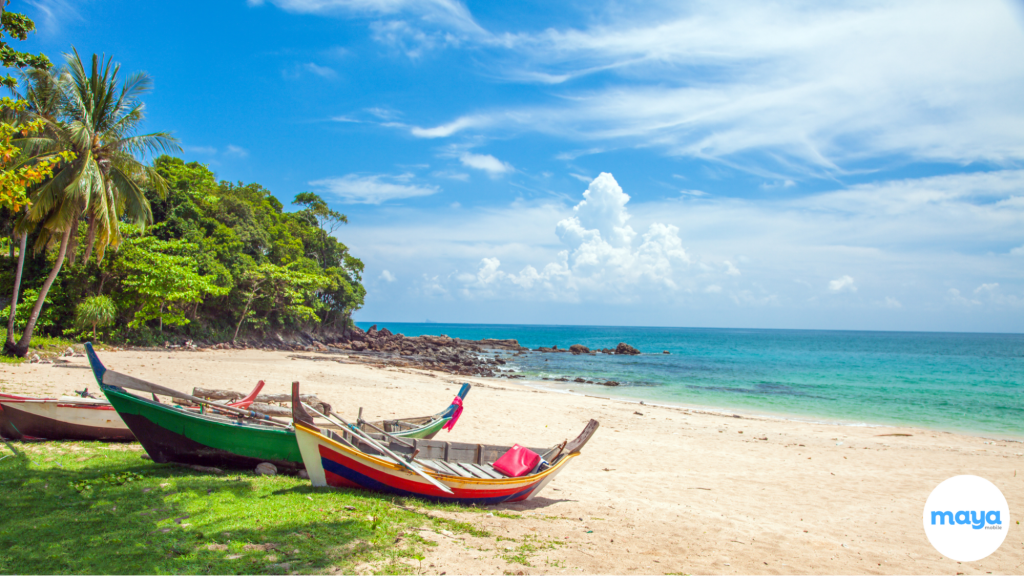
Koh Lanta is a calmer alternative to Thailand’s busy islands, defined by long beaches, mangrove forests, and small coastal villages. Its slower tourism model and conservation efforts support a peaceful rhythm that blends well with meditative travel.
Visitors can choose between cliffside retreats, beachfront yoga platforms, and simple bungalow stays that emphasize quiet routines. The island’s layout encourages long walks, sunrise observing, and ocean-based relaxation without the crowd pressure seen elsewhere in southern Thailand.
Best time to visit
- November–April.
- This period brings calm seas, clear weather, and easy access to beaches and nature paths.
What makes it ideal for meditation
- The island maintains relatively low noise levels compared to other regional destinations.
- Long beachfront areas allow open-space meditation without crowd pressure.
- Retreat centers offer scheduled sessions that support consistent daily practice.
Reconnection activities
- Snorkeling in designated marine zones.
- Kayaking along sheltered coastal sections.
- Visits to local nature reserves.
- Extended beach walks.
- Slow cycling through village roads.
- Quiet reflection during sunset along the west-facing shores.
5. Rishikesh, India
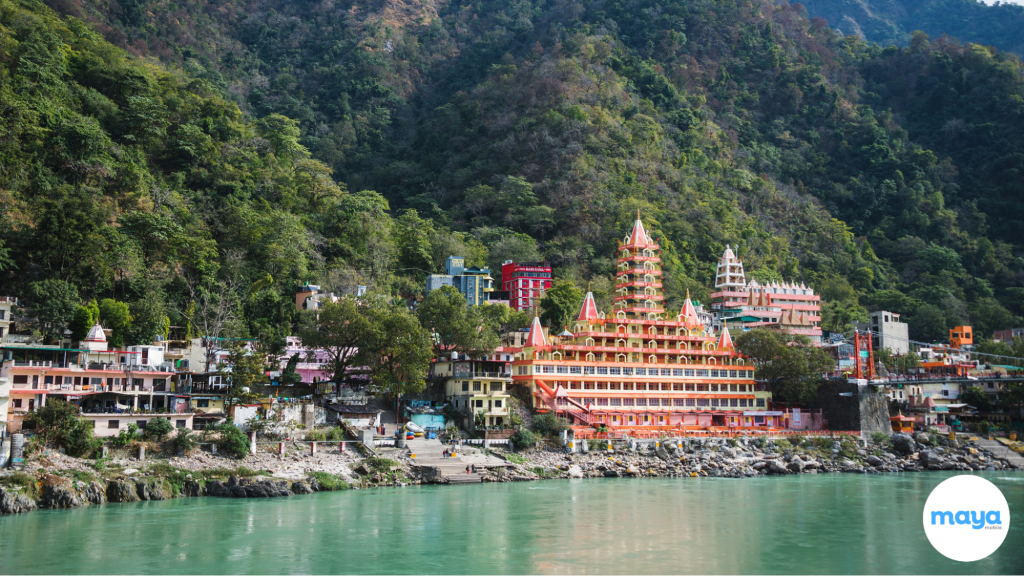
Rishikesh sits along the upper Ganges, surrounded by Himalayan foothills and a long lineage of yoga and contemplative study. The town blends small riverbank neighborhoods, suspension bridges, and clusters of ashrams that draw visitors interested in structured spiritual learning.
Daily practices, chanting, and breathwork are woven into local routines, creating an environment that supports introspection without forcing ritual on travelers. The setting allows people to shift attention inward while still having access to guided programs, nature walks, and simple vegetarian food culture.
Best time to visit
- February–April and September–November.
- These periods offer moderate temperatures, low rainfall, and steady conditions for outdoor practice.
What makes it ideal for meditation
- Multiple ashrams provide structured daily sessions.
- Riverside areas offer predictable low-noise zones.
- The town maintains regular practice schedules that support routine-based meditation.
Reconnection activities
- Forest path walks in the surrounding foothills.
- Observing the Ganga aarti as a cultural reflection activity.
- Short treks to nearby viewpoints.
- Yoga class participation across local centers.
- Sound-based sessions at dedicated studios.
- Journaling or quiet sitting along the riverbank.
6. Kadampa Temple, Malaga, Spain
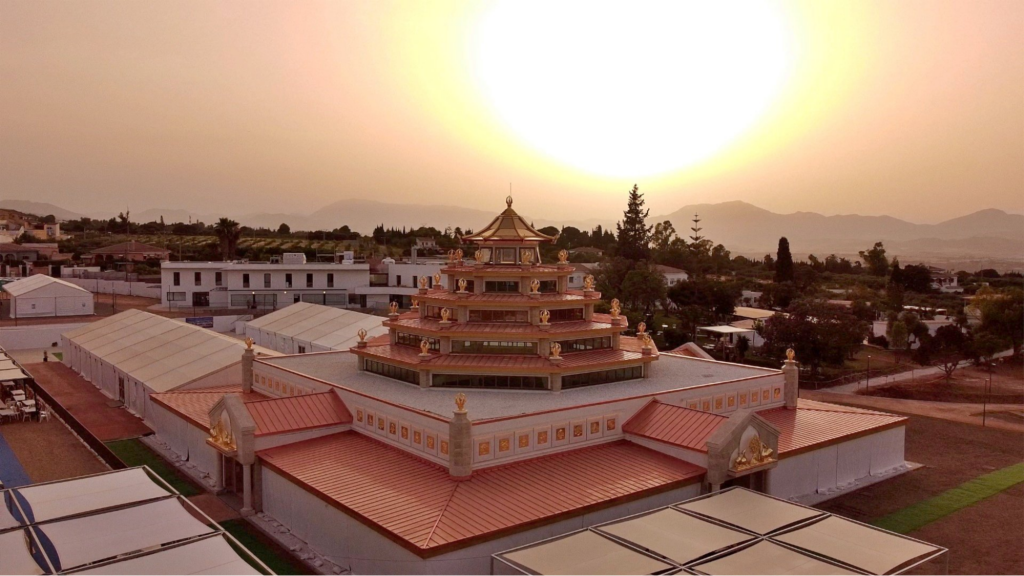
The Kadampa Meditation Center near Malaga sits in a rural hillside environment designed for structured Buddhist study and contemplation. The temple’s architecture, landscaped gardens, and residential retreat facilities create a focused learning setting without distractions.
Programs range from introductory sessions to multi-day guided retreats, allowing visitors to explore meditation with clarity and organization. Its location outside the city provides clean air, open views, and predictable routines that support stable mental focus.
Best time to visit
- March–June and September–November.
- These seasons offer moderate temperatures and reliable conditions for outdoor and indoor practice.
What makes it ideal for meditation
- The center includes dedicated meditation halls designed for structured practice.
- Guided Buddhist teachings help visitors follow clear methods.
- Silence protocols during retreats create predictable low-distraction periods.
Reconnection activities
- Walking through landscaped gardens.
- Exploring the temple grounds at a slow pace.
- Journaling in designated quiet areas.
- Light hiking on nearby hillside trails.
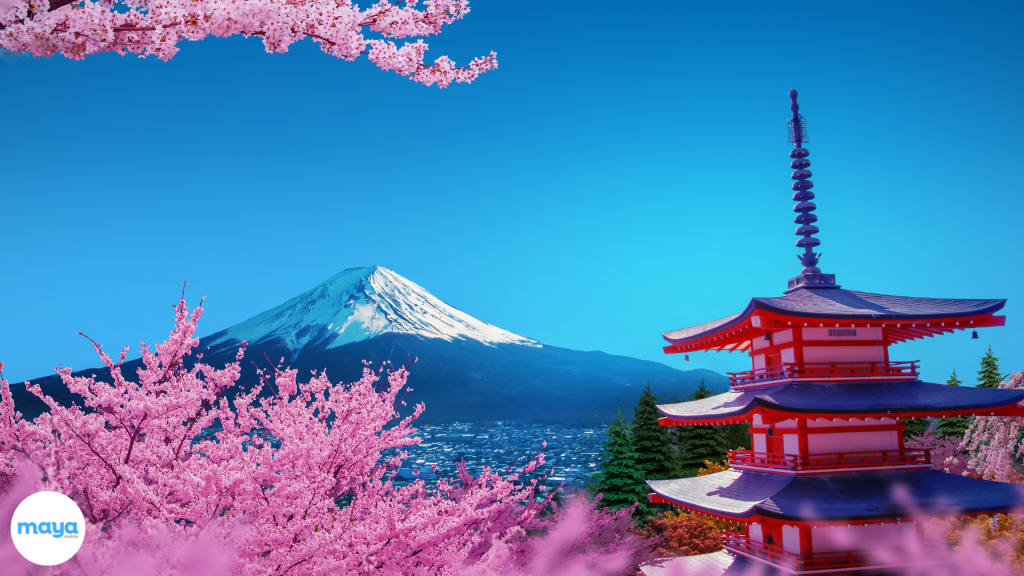
7. Yakushima Island, Japan
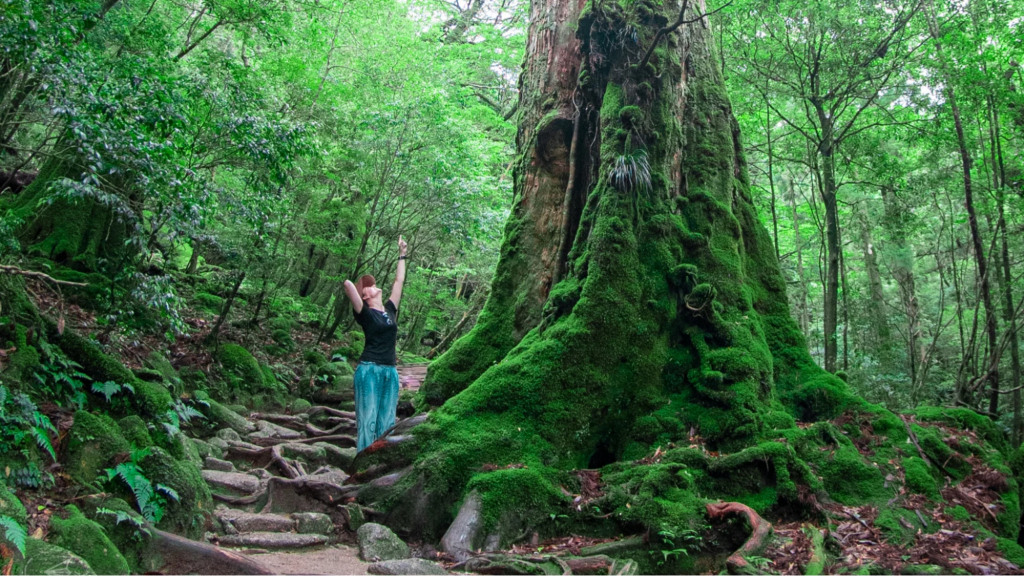
Yakushima is a protected subtropical island south of Kyushu, known for its dense cedar forests, high rainfall, and preserved national park zones. The island’s deep valleys, moss-covered trails, and minimal urban development create consistent low-noise conditions suitable for steady contemplative routines.
Many visitors use the island’s long hiking paths and quiet forest shelters for walking practice and slow observation. The environment supports reflective travel through its stable natural soundscape, limited traffic, and well-maintained access routes across the protected wilderness.
Best time to visit
- March–May and October–November.
- These periods provide manageable humidity, clearer trails, and reliable access to forest routes.
What makes it ideal for meditation
- The ancient cedar forests absorb sound, creating a natural quiet that feels almost insulated from the outside world.
- Long, uninterrupted hiking trails allow extended walking meditation.
- Minimal urban activity supports predictable low-disturbance conditions.
Reconnection activities
- Forest hikes through cedar groves.
- Riverbank sits in quiet watershed areas.
- Slow observation along moss-covered paths.
- Journaling or sketching near waterfalls and valley lookouts.
8. Tawang Region, India
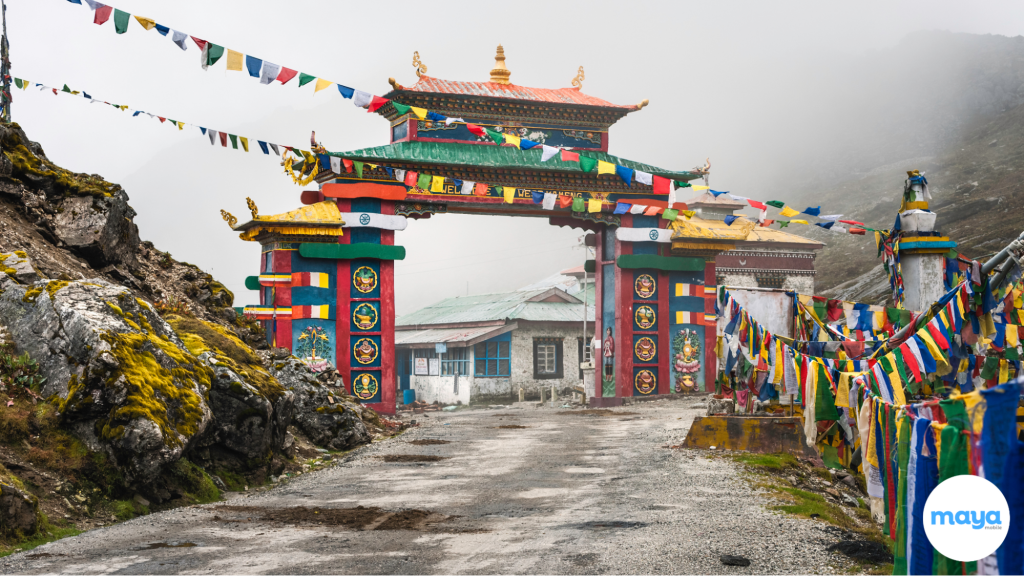
Tawang sits in the Eastern Himalayas at high altitude, centered around large monasteries, open valleys, and mountain routes with low population density. The region is known for the Tawang Monastery, where daily teachings, prayer timings, and monastic routines shape the rhythm of life.
Surrounding villages, lakes, and passes create quiet environments with minimal infrastructure, allowing visitors to follow simple, uninterrupted meditation schedules. The combination of altitude, sparse settlement, and monastic presence makes Tawang a practical location for focused, routine-based contemplative practice.
Best time to visit
- March–June and September–November.
- These windows offer stable mountain weather and accessible monastery routes.
What makes it ideal for meditation
- Monasteries offer structured guidance and predictable practice timings.
- High-altitude terrain provides naturally quiet surroundings.
- Low tourist density reduces external disruptions.
Reconnection activities
- Walks around Tawang Monastery and nearby hermitage sites.
- Lakeside sitting near Pankang Teng Tso or similar high-altitude lakes.
- Observing monastic rituals and chanting sessions.
- Quiet journaling in village or valley vantage points.
9. Mount Koya (Koyasan), Japan
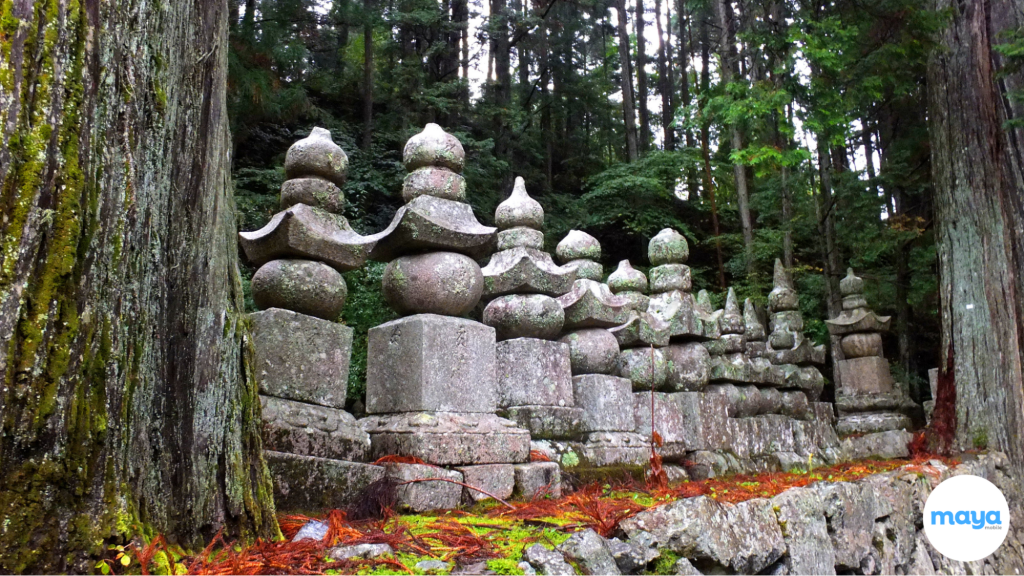
Mount Koya is a major monastic complex where Shingon Buddhist practices have been maintained for centuries. The area includes temple lodging, forest paths, and Japan’s largest cemetery, offering a cultural and historical framework for contemplative travel.
Visitors stay in temple guesthouses that follow early morning routines, vegetarian meals, and structured meditation led by resident monks. The region’s quiet forests and steady climate reinforce slow, mindful movement and introspection.
Best time to visit
- April–June and September–November.
- These periods offer mild weather, clear forest paths, and comfortable temple stays.
What makes it ideal for meditation
- Morning sessions guided by resident monks provide structured practice.
- Forest surroundings create reliable seclusion for quiet sitting or walking meditation.
- The area maintains a stable monastic rhythm that supports consistent routines.
Reconnection activities
- Walking through the Okunoin cemetery’s forested pathways.
- Observing or joining temple rituals.
- Practicing calligraphy as a focused meditative activity.
- Slow nature walks around the temple complex.
10. Angkor Wat, Cambodia
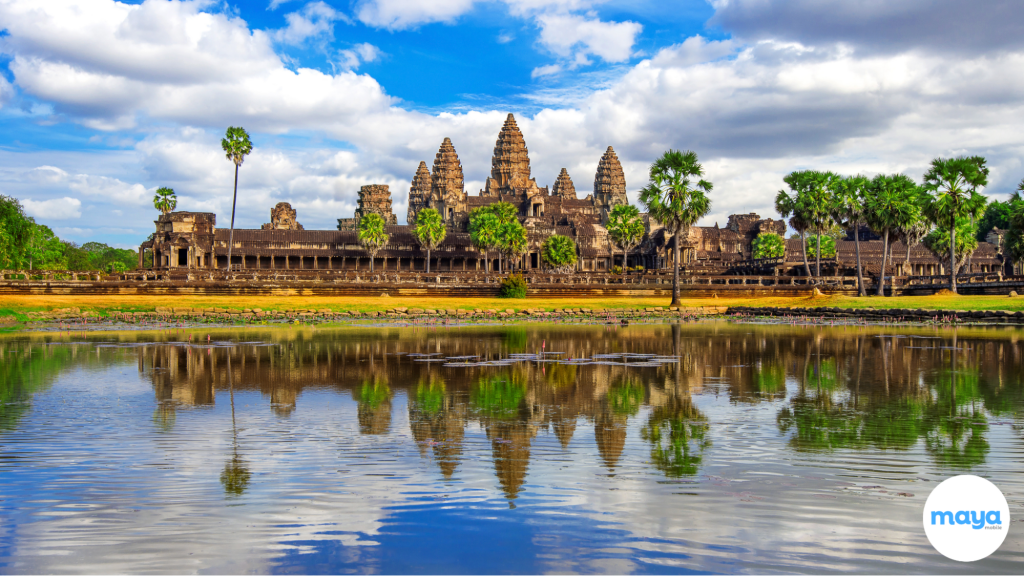
Angkor Wat and its surrounding archaeological park, a designated UNESCO World Heritage Site, combine expansive temple networks, jungle corridors, and reflective water basins that create natural pockets of quiet when visited strategically. Beyond tourism, the area provides insight into Khmer cosmology and architectural symbolism that supports contemplative interpretation.
Early mornings and lesser-known temples offer spacious areas for stillness, giving travelers a balance between cultural study and meditative observation within the wider ancient stone landscape.
Best time to visit
- November–February.
- This season offers cooler temperatures, lower humidity, and manageable visitor levels in the temple complex.
What makes it ideal for meditation
- Many temples contain quiet peripheral areas suitable for seated practice.
- Sunrise hours bring a quieter atmosphere before crowds arrive, making it easier to sit in stillness among the ruins.
- The architectural layout follows symbolic cosmic design, supporting focused contemplation.
Reconnection activities
- Walking routes through temple complexes.
- Moat-side sitting near water basins.
- Cycling circuits around the archaeological park.
- Sketching architectural elements.
- Participating in guided historical interpretation sessions.
11. Lake Atitlán, Guatemala
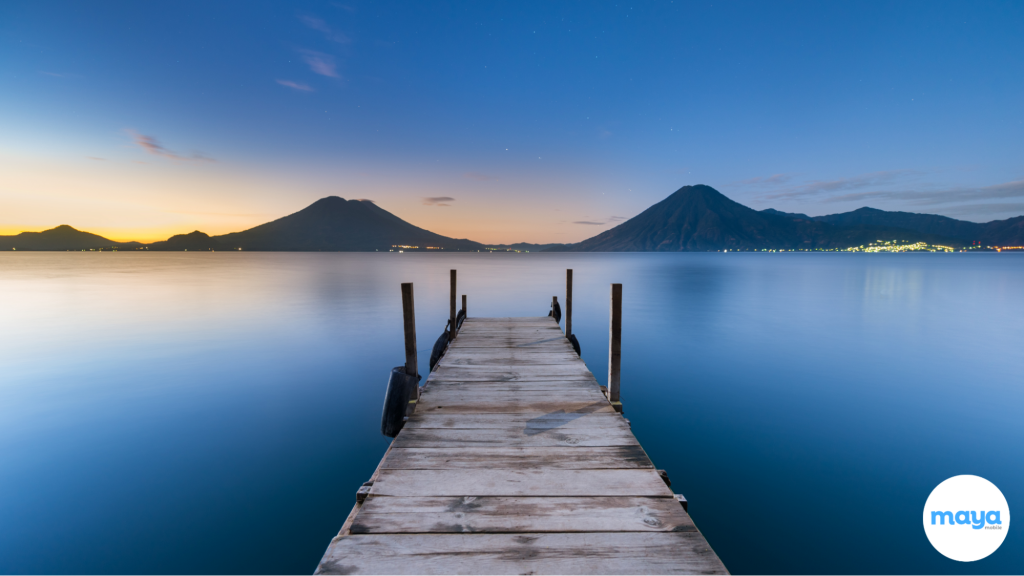
Lake Atitlán is a volcanic lake surrounded by steep ridges and Mayan villages, each with its own cultural orientation and pace. The lake’s topography creates natural acoustic quiet, making it easy to settle into slow routines.
Wellness centers around the lakeshore offer meditation, yoga, and energy-based programs, while small boat routes connect villages without the interference of heavy road traffic. The combination of water views, clear air, and cultural diversity forms a steady environment for inward focus.
Best time to visit
- November–April.
- These months offer clear skies, calm lake conditions, and reliable access between villages.
What makes it ideal for meditation
- Lakeside areas maintain consistent quiet throughout the day.
- Open views toward surrounding volcanoes create stable visual focus points.
- Multiple villages host centers offering guided meditation and teacher-led sessions.
Reconnection activities
- Kayaking on designated lake routes.
- Hiking trails that lead to nearby volcano viewpoints.
- Participating in cacao-based ceremonial gatherings.
- Joining community-led workshops.
- Journaling or quiet reflection along the shoreline.
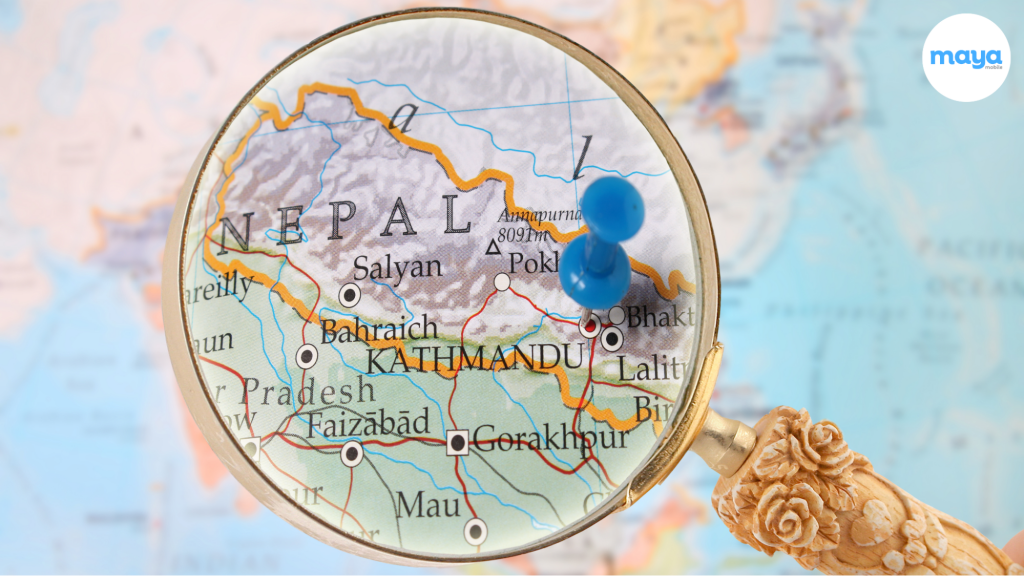
12. Kathmandu Valley
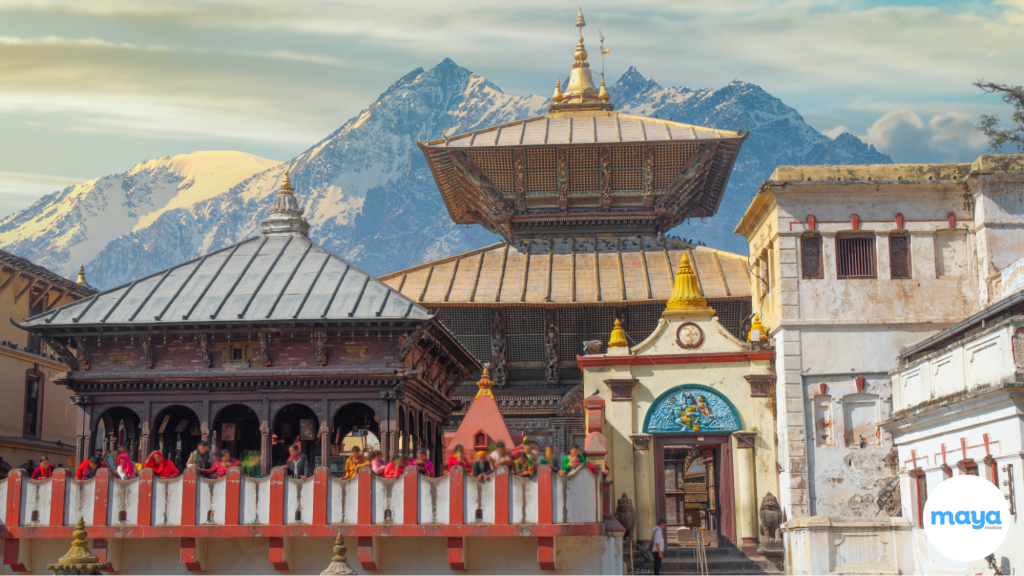
Kathmandu Valley, a designated UNESCO World Heritage Site, functions as a cultural and historical hub where urban districts sit close to old monasteries, courtyards, and hilltop viewpoints. The area combines accessible city amenities with pockets of quiet found in traditional monastic zones, heritage sites, and elevated villages on the valley rim.
Many centers offer structured meditation programs influenced by Tibetan and Nepali traditions. With short travel distances between neighborhoods and hillside routes, visitors can move easily between practice spaces, local markets, and nature-facing viewpoints that support steady, routine-based contemplative activities.
Best time to visit
- October–December and February–April.
- These periods offer clear skies, moderate temperatures, and accessible walking routes in and around the valley.
What makes it ideal for meditation
- Monasteries and retreat centers provide structured practice sessions.
- Hilltop locations around the valley rim offer predictable low-noise environments.
- Easy access to both urban practice spaces and peripheral natural viewpoints.
Reconnection activities
- Walks around Boudhanath, Swayambhunath, and nearby monastic zones.
- Short hikes to Nagarkot, Champadevi, or Shivapuri viewpoints.
- Participation in community-led meditation sessions.
- Quiet reading or journaling in courtyard areas and heritage complexes.
Wrapping Up Your Journey
Exploring these locations shows how much the environment influences meditation, routine, and overall mental steadiness. Each place offers predictable quiet, accessible practice areas, and simple activities that make reconnection practical during travel.
Whether you lean toward scheduled practice or unstructured time in nature, these destinations make space for both. When moving between countries or remote regions, using a service like Maya Mobile ensures you have reliable connectivity for navigation and planning, without pulling you away from the slower pace you’re trying to maintain.
FAQs
1. How do I choose the right place for a meditation-focused trip?
Select locations based on noise levels, access to nature, availability of designated practice times, and ease of movement between practice areas. Places with predictable routines and stable environments generally support consistent meditation.
2. Do I need prior experience to join meditation sessions in these locations?
No. Many centers offer beginner-friendly introductions, while others provide more advanced guidance. Most destinations listed accommodate varying experience levels with clear session formats.
3. Are these destinations suitable for solo travelers?
Yes. Most places offer safe, structured environments with accessible transport, clear walking routes, and community-based centers that support independent travel.
4. What should I pack for a meditation-oriented trip?
Bring comfortable clothing, basic walking gear, a journal, and any personal meditation items you routinely use. Weather-appropriate layers help when practicing outdoors in cooler or high-altitude areas.
5. Can I maintain digital access without disrupting the trip?
Yes. Using eSIM services like Maya Mobile allows reliable connectivity for navigation and planning while minimizing distractions, especially in remote regions with limited infrastructure.