Italy is officially the most-visited European country in 2026, drawing more summer travelers than Spain or France. And guess what? It is still cheaper per night than either. But the smartest trips this year are not in Rome or Venice. They are in the regions most people have not caught onto yet. Here’s your guide on going where Italy is best right now.
If you have been anywhere near a departures board this summer, you already know everyone is in Italy. And if you are wondering why it is so? Then Italy has taken the top spot in European tourism for 2026 with hotels and rentals filling up faster than in Spain or France, and refreshingly the average room here still costs less per night than in either of them.
But “everyone is in Italy” is exactly the problem and the opportunity. Rome in July is a beautiful sweaty crush of people. Venice is now charging day-trippers just to walk in on peak weekends. The Amalfi Coast is glorious and completely overrun. If you booked these months ago, you will still have a wonderful time. If you are planning now in the thick of summer, this guide is about pointing you somewhere better.
Because here is the thing the headlines miss: the fastest-growing corners of Italy in 2026 are not the postcard-famous ones. The biggest jumps in visitors this year are happening in regions most first-timers skip. These are the places with the same light, the same food, the same sea and a fraction of the queue. So, let’s check out where you should explore Italy this summer in 2026.
Where Should You Actually Go?
Below are some of the regions that are quietly having their best year ever. European summer is not all about turquoise water; it also means enjoying sunset cocktails, unlimited ice creams, wandering cobblestone streets, and embracing the slower life. These are some of the European destinations in Italy that have mastered the art of slow living, and you should definitely visit them this summer.
1. Puglia
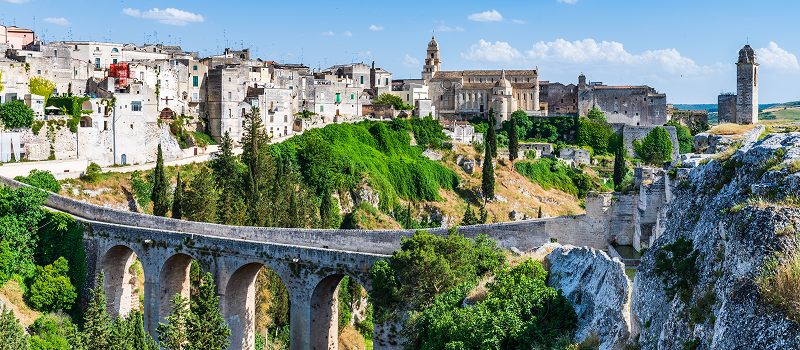
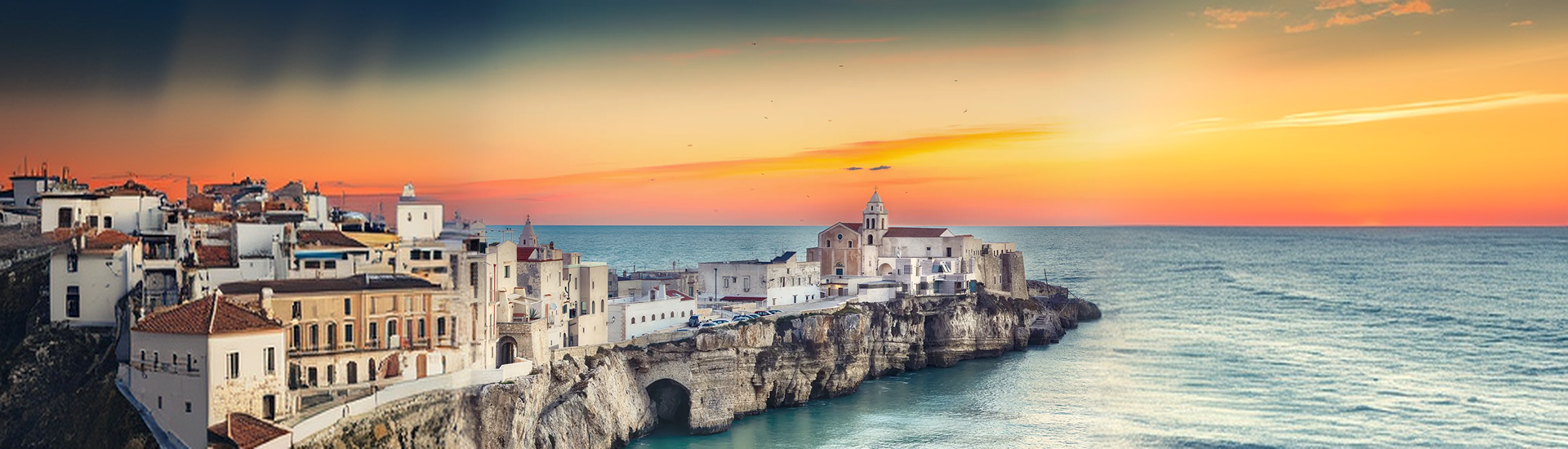
Puglia is the heel of Italy’s boot, and it is the best place in the country for a summer 2026 trip that mixes swimmable sea with real small-town life. You get whitewashed hill towns, cone-roofed trulli, more olive groves than any other Italian region and roughly 300 days of sunshine in a year. Sea temperatures sit around 25 to 26°C through July and August. This is the place where Italians go if they want to slow down, and this summer you can also experience the same. The region is 400 km from the Gargano promontory in the north to the tip of Salento, so you can have drives around cliffs, sandy beaches and countryside farm stays.
- Places to explore in Puglia: Alberobello, Locorotondo, Cisternino, Martina Franca, Ostuni, Monopoli, Polignano a Mare, Lecce, Otranto, Gallipoli, Tremiti Islands, etc.
- Things to do in Puglia: Swim off the pebbly cove at Lama Monachile in Polignano a Mare; Otranto is your pick if you want proper sand and shallow, calm water. Spend a morning in the Valle d’Itria, and climb to the Belvedere Santa Lucia terrace in Alberobello. For history lovers, you can book a guide in Matera to unlock the Saddi Cave dwellings and their frescoed rock churches.
- Where to Stay in Puglia: Pick your base according to how you want your mornings to look. Masserie are the old fortified farmhouses ringed by olive groves. Staying overnight in a trullo in Alberobello is worth it for reasons like the tour buses clear out around 6 pm, and the town becomes almost empty. For a coastal base, you can check Monopoli. Ostuni suits those travelers who want white-town views with beach clubs 20 to 30 minutes away.
- How to reach Puglia: there are 2 airports: Bari (BRI) for the north, the Valle d’ltria, Matera and Brindisi (BDS) for Lecce, Otranto, Gallipoli and the Salento beaches. The distance between both these airports is 1.5 hours, so pick carefully. Bari has year-round flights from London with Ryanair, easyJet and BA. From the US, Bari has non-stop flights from New York which take 8 hours and 55 minutes. Otherwise, there are connecting flights as well through Rome, Milan, etc.
Traveler Tip:
Puglia is best explored by car, and many of the coves, masserie and smaller towns sit well outside reliable WiFi in Italy. So, sorting out the best travel eSIM for Italy before you fly will save you hassle at the airport, last-minute restaurant booking and Google Translate.
2. Sardinia
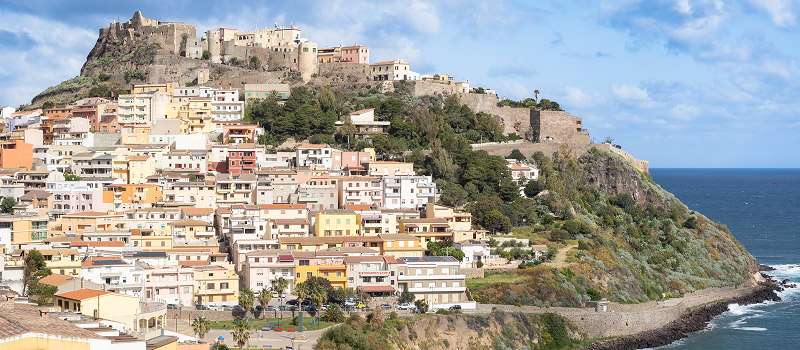
Sardinia is Italy’s second-largest island and one of the best summer 2026 picks for Caribbean-grade water without leaving Europe. Here you will be enjoying white sand, granite coves, Bronze Age ruins and a food culture that feels more shepherd than Italian. The water clarity here beats the major beach destinations like the Maldives at European prices outside Costa Smeralda. The island is divided into 3: North, which is Costa Smeralda, known for its beaches and boat trips. East, which is the Baunei Coast, popular for its dramatic cliffs and boat-only calas. Northwest (Alghero) is known for its historic town.
- Places to explore in Sardinia: Cagliari, Alghero, Bosa, Castelsardo, Porto Cervo, San Teodoro, Cala Gonone, Villasimius, Chia, Stintino, Santa Teresa Gallura, Barbagia mountain village and more.
- Things to do in Sardinia: Take a boat from Cala Gonone into the Gulf of Orosei to reach Cala Luna. The island hopes for the La Maddalena archipelago, where Cala Coticcio on Caprera allows only 60 visitors a day and requires a guide. Walk Su Nuraxi di Barumini, the UNESCO-listed Bronze Age tower complex. Then drive inland to Barbagia for mural villages and Cannonau wine. Snorkel or dive the Tavolara and Capo Carbonara marine reserves.
- Where to stay in Sardinia: base yourself by coastline, not by island. San Teodoro and Golfo Aranci put you on the same northeast water as Costa Smeralda at roughly half the price with family-friendly beaches.
- How to Reach Sardinia: 3 airports that serve the island are Olbia (OLB), the gateway for Costa Smeralda and the northeast, whereas Cagliari (CAG) covers the south with the wildest year-round schedule. And Alghero (AHO) serves the northeast. Delta airlines runs nonstop flights from New York JFK to Olbia from May through October 2026.
Traveler Tip:
For 2026, 9 of the island’s most famous beaches now cap daily visitors and require booking ahead. Some of the beaches are La Pelosa, Stintino, which allows 1500 visitors per day between 15th May and 15th October. You need a QR code reservation to get on the sand. Entry costs $3.98 per person per day, whereas children under 12 do not need reservations. You can only have 4 people with 1 reservation per day. Also, you must place a mat under your towel. Dogs, smoking and removing sand or shells are all prohibited.
3. Calabria
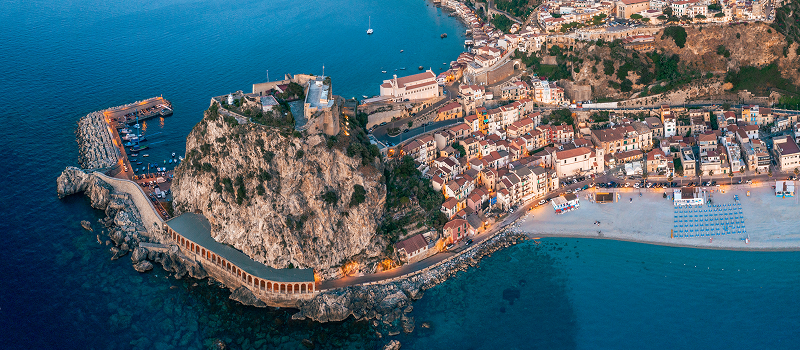
Calabria recorded the biggest jump of any Italian region in the first half of 2026 with international arrivals up 23.19% according to Interior Ministry data. It sits at the toe of Italy’s boot and the Tropea-grade and Tyrrhenian water at roughly half what you will pay on the Amalfi Coast without the crowds. The Strait of Messina is narrow enough that Sicily sits on the horizon from most west-coast beaches. What makes Calabria worth the summer slot is that you can swim off a cliffside beach at noon and be in a pine forest at 1300 in the Sila mountains 90 minutes later.
- Places to explore in Calabria: Tropea, Scilla, Capo Vaticano, Pizzo, Reggio Calabria, Gerace, Stilo, Le Castella, Diamante, Praia a Mare, Sila National Park, etc.
- Things to do in Calabria: See the Riace Bronzes at the National Archaeological Museum in Reggio Calabria, which has 5th-century BC Greek warrior statues. Walk the Chianalea di Scilia fishing quarter, also known as the Venice of the South. Swim the Costa degli Dei between Tropea and Capo Vaticana. Escape the heat in Sila National Park with lake swims and hike Italy’s oldest pine forests.
- Where to stay in Calabria: Tropea is the obvious base for the first trip with the best beach access, restaurants and day-trip range, though it fills fast in August. Scilia suits those travelers who want atmosphere over beach clubs.
- How to Reach Calabria: Lamezia Terme (SUF) is the main gateway, roughly 45 minutes from Tropea with 18 airlines serving 56 destinations. Reggio Calabria (REG) is smaller and served only by Ryanair and ITA Airways. There are no direct flights from the US, so connect through Rome, Milan, London or Frankfurt, with ITA Airways offering the most convenient one-stop routings via Rome.
Looking to escape soaring summer temperatures? Check out our guide to the best coolcation destinations in Europe before planning your next trip.
4. Umbria
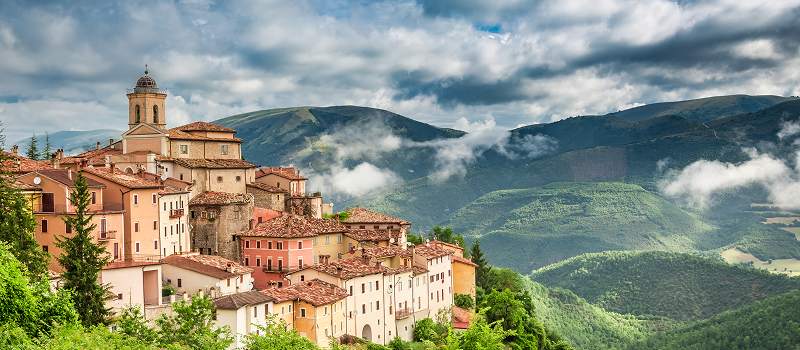
Umbria is the only Italian region with no coastline and no foreign border, which is exactly why it works as a summer 2026 pick. It absorbs the overflow from Tuscany without the price tag or the tour buses. Both of its flagship festivals hit record attendance this year, with Umbria Jazz drawing crowds to Perugia’s Arena Santa Giuliana from 3 to 12 July and Spoleto’s Festival dei Due Mondi running 26 June to 12 July. The medieval hill towns are 20 minutes apart, Giotto frescoes without a queue, black truffles in season year-round and Sagrantino di Montefalco one of Italy’s most underrated reds. In August you can enjoy the Todi Festival and the Città di Castello Festival delle Nazioni.
- Places to explore in Umbria: Perugia, Assisi, Orvieto, Spoleto, Gubbio, Todi, Spello, Montefalco, Bevagna, Norcia, etc.
- Things to do in Umbria: See Giotto’s fresco cycle in the Basilica of St Francis in Assisi, which is a UNESCO site. Walk Orvieto’s striped cathedral facade. Hike or drive to the Piano Grande above Castelluccio.
- Where to stay in Umbria: Perugia is the base with the best train links, restaurant range and nightlife thanks to its two universities. Orvieto works well if you are coming from Rome since it sits on the direct high-speed line.
- How to Reach Umbria: Perugia San Francesco d’Assisi (PEG) is the only airport, and it is small with seasonal budget routes from London and a handful of European cities. Most international travelers fly into Rome. From Rome, trains run to Orvieto in around 1 hour 15 minutes on the main Rome-Florence link.
5. Piedmont
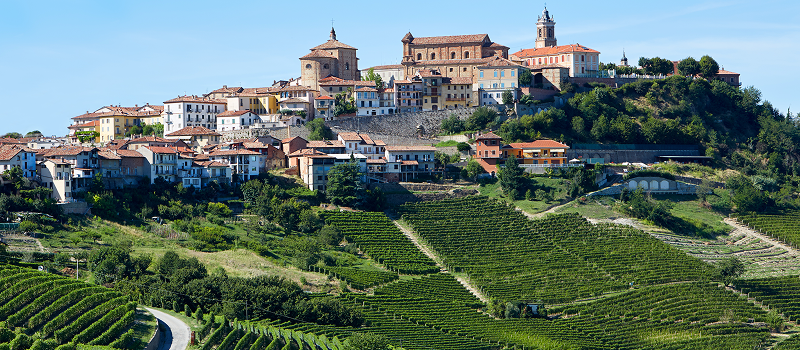
Piedmont posted the third-strongest tourism growth of any Italian region in the first half of 2026, with arrivals up 9.22% and international visitors up 10.38%, according to Interior Ministry data. It sits in Italy’s northwest corner against the French and Swiss Alps, and it is the answer for anyone who wants Italy in summer without the heat and the queues. This is also Italy’s most serious food and wine region: Barolo and Barbaresco come from here, Slow Food was founded in Bra, and Turin invented both vermouth and the aperitivo.
- Places to explore in Piedmont: Turin, Alba, Barolo, La Morra, Barbaresco, Asti, Monferrato, Bra, Pollenzo, Saluzzo, Stresa, the Borromean Islands, Lake Orta, Orta San Giulio, Lake Maggiore, etc.
- Things to do in Piedmont: See the Egyptian Museum in Turin, the largest collection of Egyptian antiquities outside Cairo. Ride the panoramic lift up the Mole Antonelliana, which houses the National Cinema Museum. Tour the Royal Palace and Venaria Reale, both UNESCO-listed Savoy residences. Drive or cycle the Langhe, Roero and Monferrato vineyards, another UNESCO site. Climb to the Sacra di San Michele, the clifftop abbey that inspired The Name of the Rose.
- Where to stay in Piedmont: Turin is the best base for a first trip, with the widest hotel range, direct trains and enough museums for three days. Alba is the natural base for the Langhe, a proper working town rather than a tourist set piece, with the wine villages 15 to 30 minutes away.
- How to Reach Piedmont: Turin Caselle (TRN) is the regional airport, served mainly by European carriers with direct summer routes from London and other UK cities. Most travellers from the US and Canada fly into Milan Malpensa (MXP) instead, which has the widest transatlantic schedule and connects to Turin in around 2 hours by direct bus or by train via Milan.
Traveler Tip
Landing in Milan and driving to Turin? Your phone should be online before you reach baggage claim. Install Maya Mobile eSIM Travel Mode before you fly, flip it on at the gate, and skip the airport SIM counter entirely.
New Rules In Italy To Keep In Mind If Traveling in 2026
Italy is not harder to visit in 2026, but it does reward planning. Most of the changes are about crowd control, and nearly all of them run through a phone: QR codes, timed slots, app-only bookings. Here is what actually affects your trip.
- EES is live: The EU’s Entry/Exit System replaced passport stamps for non-EU travellers, including US, UK and Canadian citizens. Expect fingerprints and a facial scan at your first crossing. Build in an extra 30 minutes at the airport the first time.
- ETIAS is coming, not here yet: The travel authorisation for visa-exempt travellers is expected in the last quarter of 2026. It is not a visa; it lasts three years, and you cannot apply yet. Any site selling ETIAS approvals right now is not official.
- Passports still need six months’ validity and two blank pages, and you may be asked for proof of onward travel and accommodation.
- Venice day-tripper fee: $5.69 if you book before the fourth day prior, $11.38 after that, payable on 60 designated dates from April to late July 2026, between 08:30 and 16:00. Applies to the historic centre only, not Murano, Burano or Lido. Anyone staying overnight in the municipality is exempt.
- Trevi Fountain now ticketed: Since February 2026, 2.28 to enter the basin area, daily 09:00 to 22:00. The view from the upper level is still free. Card payment only at the gate.
- Pantheon: $5.56, book online, walk-ups are rare on weekends.
You cannot book a Sardinian beach slot 72 hours out if your phone is offline. Maya’s Travel Mode is one global eSIM you install once and toggle on wherever you land, no country-by-country shopping, no counting GBs. Italy has 20 regions, and you will probably want more than one.
Planning an Italian getaway? Explore our complete guide on what to do in Italy for iconic landmarks, coastal escapes, and unforgettable local experiences.