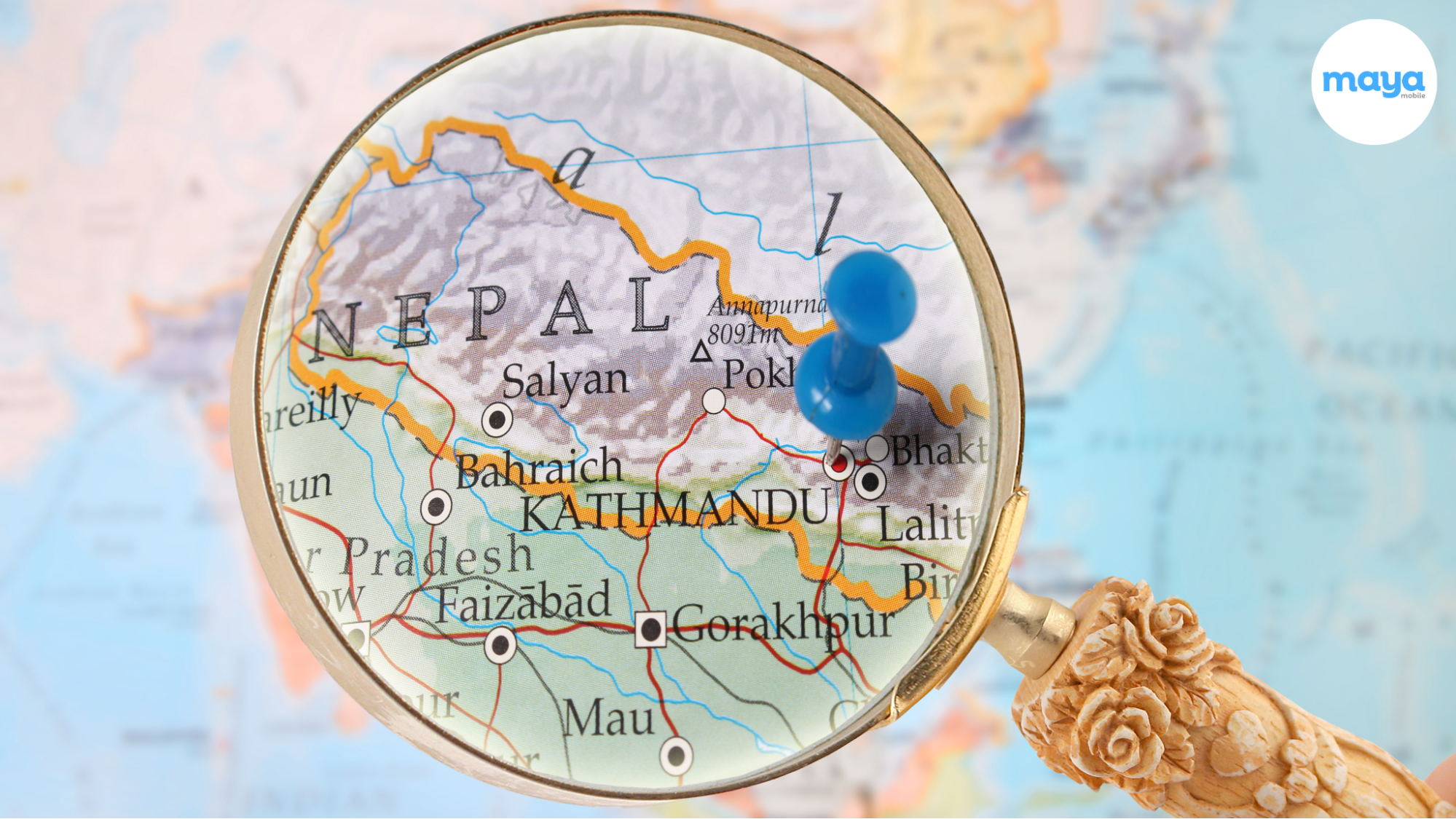
Most travelers don’t realize it, but Kathmandu packs more meaningful experiences into a single square mile than almost any city in South Asia. That’s exactly where the trouble begins. With so many incredible choices, it’s easy to drift, second-guess, and end up missing the moments that make the city unforgettable. The problem isn’t poor planning, it’s sensory overload. Kathmandu moves fast, hums with color and chaos, and nudges you to make quick decisions at every turn.
The good news? Once you know where to look, the city opens up effortlessly, warm, vibrant, and full of stories. This blog highlights the key places and experiences that deserve a place on your itinerary.
How to Get Around in Kathmandu
Getting around Kathmandu becomes much easier once you know the main transport options. Here’s a quick overview to help you move between areas smoothly and choose what fits your plans.
Public Buses & Micro-vans
- The most budget-friendly way to get across the city.
- Routes aren’t always clearly marked, and stops may not be obvious
- Tip: Have small change ready, ask a local for the correct route, and allow extra time for traffic delays.
Taxis, Ride-hailing & Private Cars
- Taxis are everywhere and often the most direct way between two points.
- Many drivers don’t use the meter; always negotiate the fare before you start the ride.
- Great for comfort, but traffic can cause big delays, so plan accordingly.
Walking & Short Trips
- Many of Kathmandu’s most famous attractions are clustered closely enough to walk between.
- For shorter distances, local rickshaws or tempos are charming alternatives; agree on a fare before you go.
Quick Tips to Move Around Smartly
- Download a local map or transport app (e.g., Baato) to help find your path.
- Avoid travel during rush hour if possible; traffic jams can add a lot of time.
- Ensure your hotel knows the approximate ride cost to major spots so you’re aware of standard rates.
- If going to the suburbs or outside the city, budget extra time; roads can be narrow, and traffic can be unpredictable.
With the basics of getting around covered, let’s move into the main activities and places that truly define a visit to Kathmandu.
Cultural & Heritage Highlights
If you love old buildings, detailed carvings, and places that feel like they’ve got stories tucked into every corner, this part of Kathmandu will easily pull you in. Here are the heritage highlights you shouldn’t miss.
Jagannath Temple (Durbar Square)
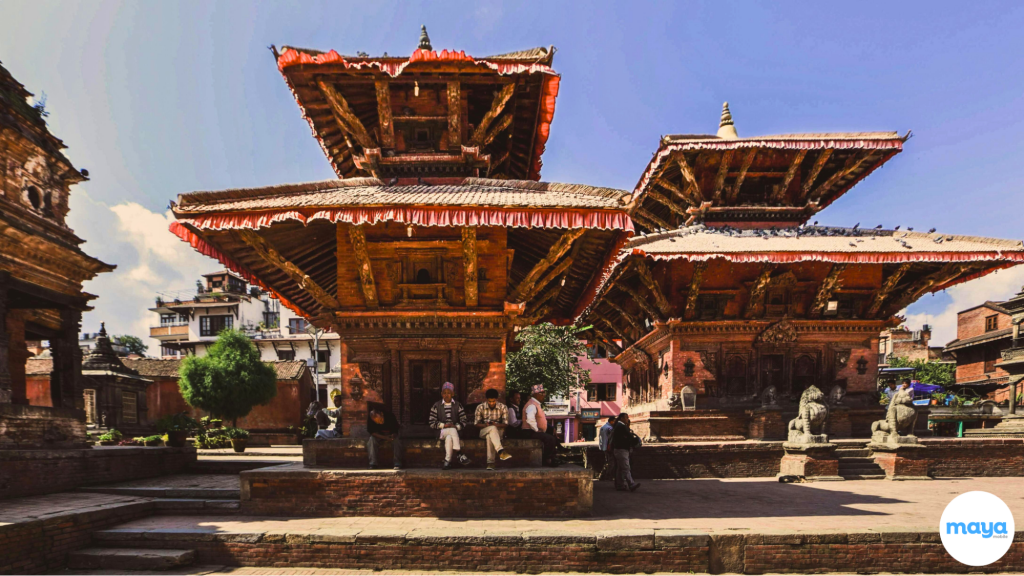
If you wander through Durbar Square without a fixed plan, you will eventually spot Jagannath Temple. At first, it looks like another old pagoda, until you notice the remarkably detailed wood carvings. Some of them are pretty bold, even by today’s standards. It’s a quick stop, but a fun one.
Visiting Hours: Open all day
Entry Fee (to enter Durbar Square, including Jagannath Temple area)
- Foreign (non-SAARC) nationals: NPR 1,000
- SAARC-nation visitors (e.g., Indians): NPR 500
What to Notice
- The centuries-old carvings
- Pigeons chilling everywhere
- The mix of locals, priests, and vendors
National Museum of Nepal
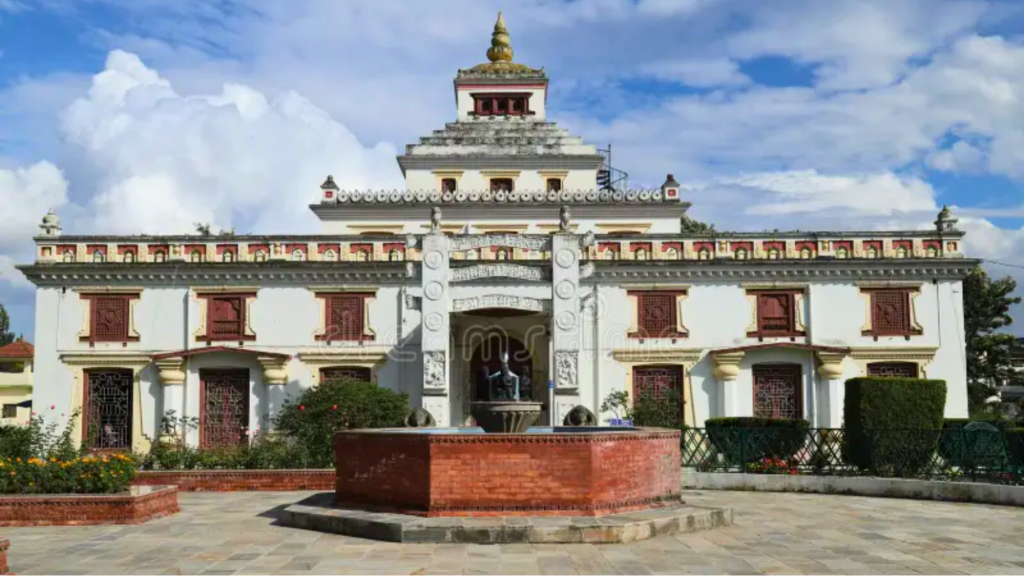
Image Credits – dreamstime.com
During the monsoon or on a rainy day, this museum is honestly a lifesaver. It’s about a 20-minute taxi ride from Thamel. The museum has three separate buildings, each with its own vibe.
- The first one is all about art, stone carvings, metalwork, wood carvings, basically a crash course in Nepali craftsmanship.
- The second building gets you into Buddhism and how it evolved across different regions in Nepal.
- The last building is a bit of a mixed bag. You’ll walk in expecting more history, and suddenly you’re looking at natural specimens, old household items, and a whole lineup of dolls dressed in traditional outfits from different countries.
Entry Fees
- Nepalese citizens: NPR 25
- Nepalese students: NPR 10
- SAARC-country visitors (including Indians): NPR 50
- Foreign (non-SAARC) nationals: NPR 150
Camera / Photography Fees
- Digital still camera: NPR 50 (Nepalese), NPR 75 (SAARC), NPR 100 (foreigners)
- Video/movie camera: NPR 100 (Nepalese), NPR 150 (SAARC), NPR 200 (foreigners)
Visiting Hours: Generally from 10:30 AM to 4:30 PM (ticket-counter closes about 30–45 minutes before closing). On Mondays, the museum is open only until around 2:30 PM. The museum is closed on Tuesdays and public holidays.
Visiting Hours: 10:30 AM – 4:30 PM (Closed Tuesdays)
What to Notice
- The Buddhist artifacts and timelines
- Ancient weapons (super interesting!)
- The quirky doll exhibit
Garden of Dreams
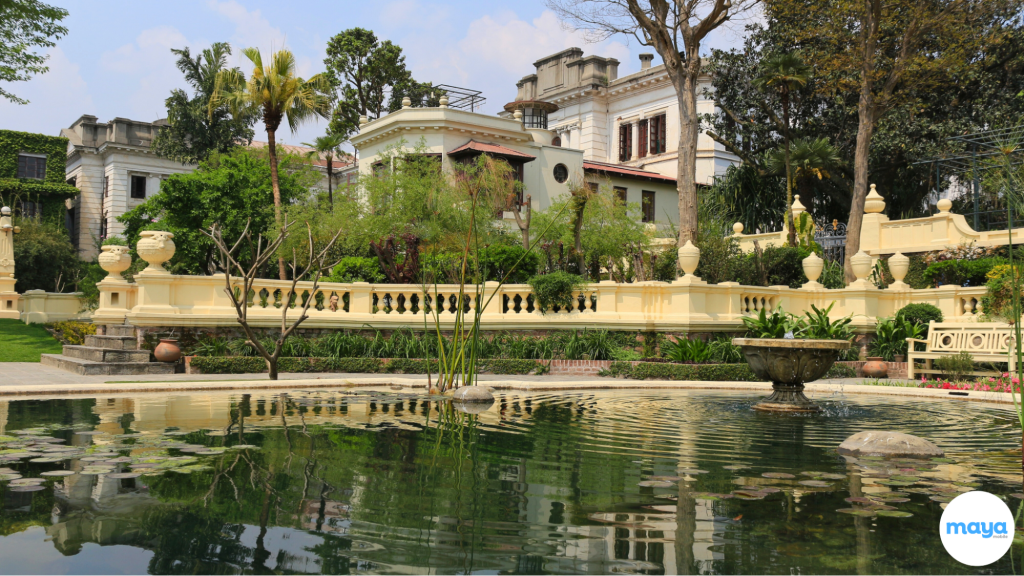
Garden of Dreams stands as a quiet pocket of peace carved out right next to hectic Thamel. Once you walk inside, the noise fades, and you’re surrounded by shady trees, lawns, and pretty old pavilions. It’s the perfect spot to slow down, sip a drink, catch your breath, and reset before diving back into Kathmandu’s chaos.
Visiting Hours: 9:00 AM – 10:00 PM
Entry Fee
- Foreign visitors: NPR 400
- SAARC nationals (including Indians): NPR 200
- Nepalese citizens: NPR 150
What to Notice
- Classical pavilion architecture
- Lotus pond
- Relaxing café inside
Spiritual & Religious Experiences
Spend a little time around Kathmandu’s temples, and you’ll start to notice how naturally spirituality fits into the flow of the city. These are the places where that feeling is the strongest.
Swayambhunath (Monkey Temple)
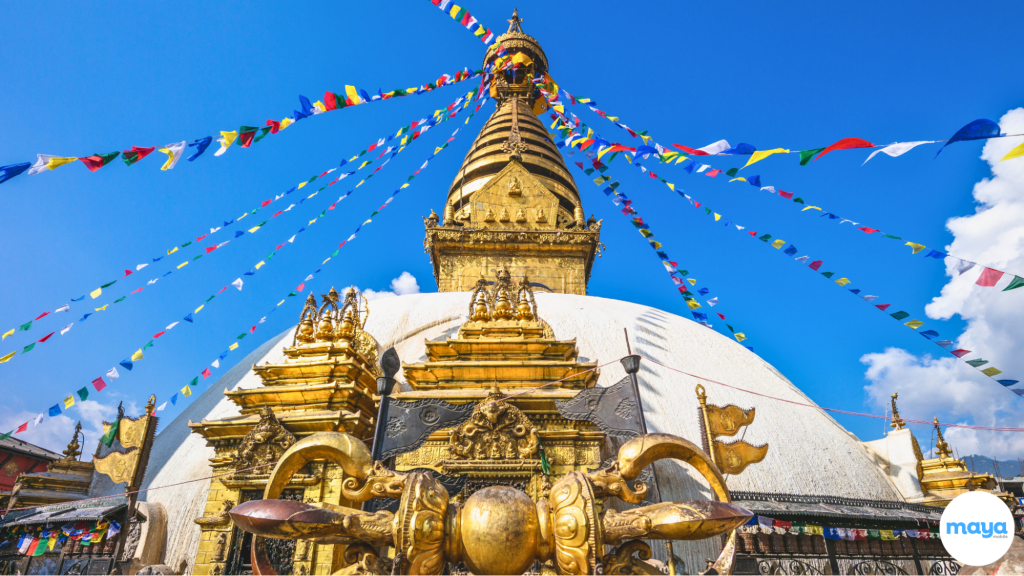
Swayambhunath has a strong atmosphere from the moment you arrive. The stupa is alive with spinning prayer wheels, soft chanting, and the occasional monkey trying to steal the spotlight. It’s one of those places where you can feel history and daily life blending. The view over Kathmandu is gorgeous, and the whole spot has a calm, almost meditative energy.
Visiting Hours: Open 24/7
Entry Fee
- Foreign (non-SAARC) visitors: NPR 200 (≈ USD 1.5–2)
- SAARC-country visitors (incl. Indians): NPR 50
- Nepali citizens: free (or nominal / no fee)
What to Notice
- Prayer wheels circling the stupa
- Monkeys (do not carry visible food or loose items)
- Sunset views over the valley
Pashupatinath Temple
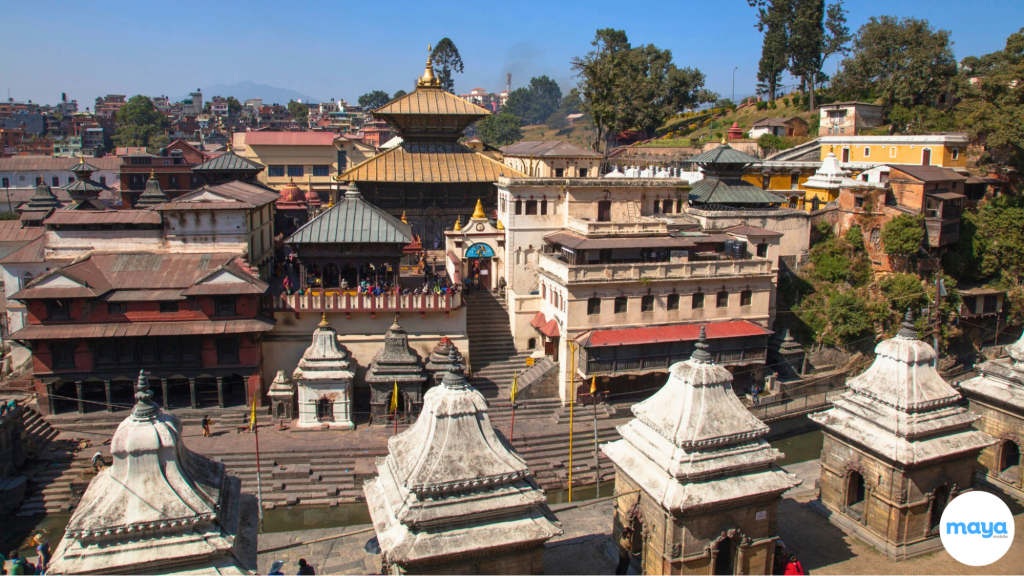
This is the spiritual heart of Nepal. Pashupatinath is one of those places that feels incredibly real from the moment you step in. The temple grounds are busy with rituals, prayers, sadhus, and everyday life all happening at once. Watching the ceremonies along the Bagmati River can be emotional, but it’s an unforgettable window into Nepali culture. Evening Aarti here is especially powerful and worth staying for.
Visiting Hours: 4 AM – 12 PM, 5 PM – 9 PM
Entry Fee
- For visitors from Nepal and for Indian (SAARC) nationals: free entry (no fee).
- For foreign (non-SAARC) tourists: entry fee is NPR 1,000.
- Note: even after paying, non-Hindu / foreign visitors are not allowed inside the main temple’s inner sanctum; only the outer complex and viewpoints are accessible.
What to Notice
- Evening Aarti ceremony
- The burning ghats (sacred but sensitive)
- Holy men painted in ash
Boudhanath Stupa
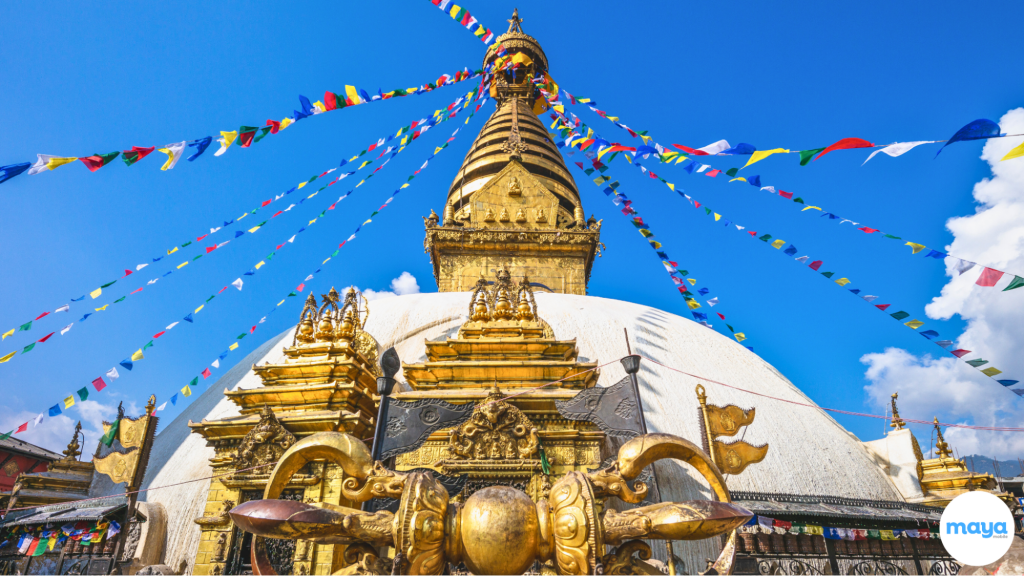
Boudhanath has this calm, steady energy that hits you as soon as you join the circle of people walking around the stupa. Monks chant, prayer wheels spin, and the smell of butter lamps drifts through the air. It’s peaceful without ever feeling empty. Grab a tea on a rooftop and just watch the rhythm of the place, it’s something special.
Visiting Hours: Open all day
Entry Fee
- Foreign (non-SAARC) visitors: NPR 400.
- SAARC-nation visitors: NPR 100.
- Nepalese citizens: Free.
- Children (under about 10 years): usually no fee, irrespective of nationality.
What to Notice
- Butter lamps
- Monks chanting
- Rooftop cafés with perfect views
Kathmandu Stupa (Kathesimbhu Stupa)
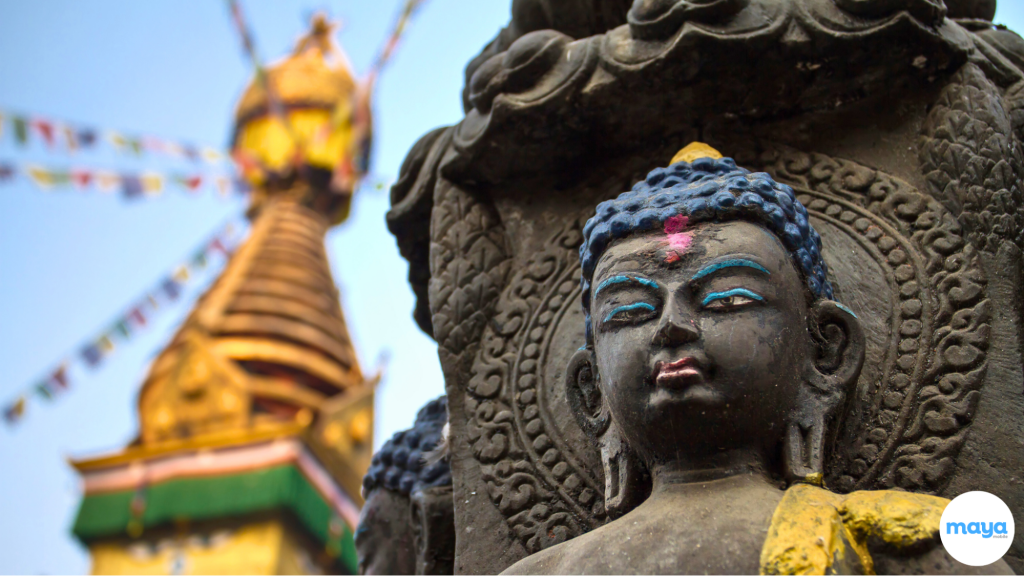
Right in the middle of Thamel’s busy alleys, Kathesimbhu Stupa gives you a quick escape from the noise. It’s compact but full of charm, with prayer wheels, pigeons, and locals casually looping around the stupa. Even if you’re just passing through, it’s a lovely spot to slow down for a minute and soak in a quieter, more traditional side of the city.
Visiting Hours: Open all day
What to Notice
- Miniature-style Swayambhu architecture
- Devotees doing morning kora
- Tiny surrounding shrines
Nature, Hikes & Scenic Views
One of the best surprises about Kathmandu is how quickly you can go from busy streets to peaceful forests and sweeping mountain views. These are the places that make you appreciate that contrast.
Hiking to Nagarjun Peak
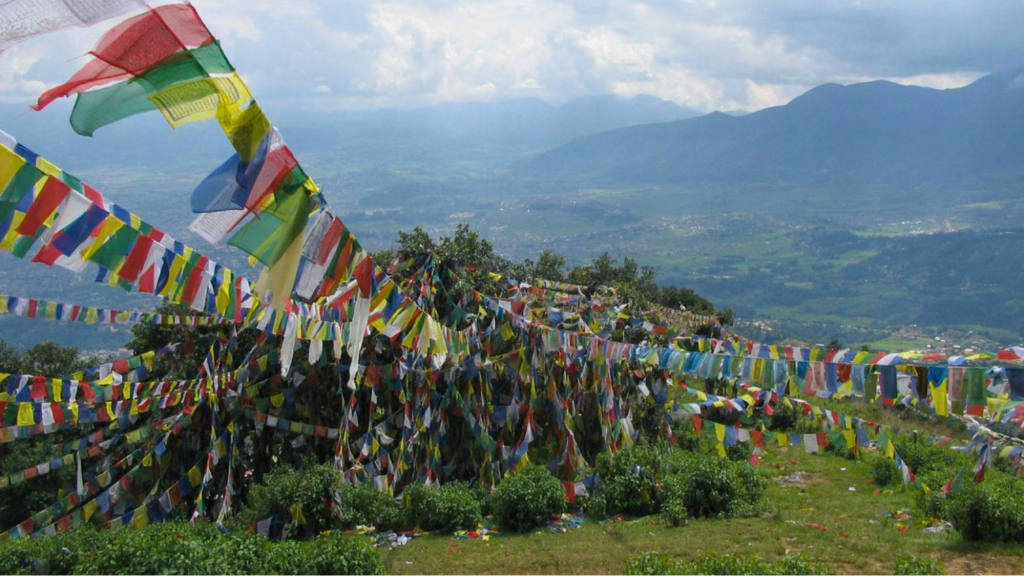
Image Credits – Nepal Trek Hub
Nagarjun Peak is a nice break from Kathmandu’s traffic and noise. The trail takes you through quiet forest paths, with birds, fresh air, and just enough uphill to feel rewarding without being intense. Once you reach the top, the valley views are awesome. It’s a great half-day escape when you want some nature without leaving the city.
Visiting Hours: 7 AM – 5 PM
Entry Fee
Since the peak lies inside Shivapuri–Nagarjun National Park, the same entry fees apply:
- Foreign nationals: NPR 1,000
- SAARC nationals (incl. Indians): NPR 150
- Nepalese citizens: NPR 50
(You pay this at the Fulbari/Nagarjun entrance gate.)
What to Notice
- Hilltop viewpoint
- Old fort ruins
- Forest sounds (so peaceful!)
Food, Cafés & Local Life
Good food and good coffee can make any travel day better. These spots give you a mix of local favorites, relaxed hangouts, and authentic glimpses into Kathmandu’s everyday life.
Himalayan Java Café
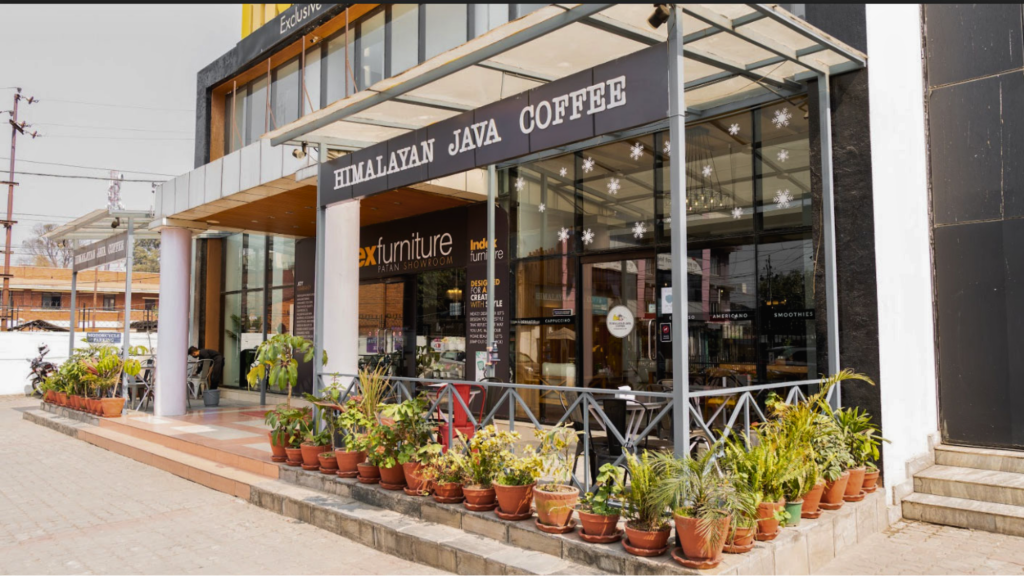
Image Credits – Himalayan Java Café
Himalayan Java is a popular local coffee chain with a relaxed atmosphere and consistently good coffee. The coffee is great, the atmosphere is relaxed, and the Wi Fi is reliable, making it perfect for a mid-day break. You’ll see travelers journaling, locals catching up, and people just enjoying a quiet moment. It’s an easy place to settle into without trying.
Opening Hours: 7 AM – 9 PM
What to Notice:
- Local coffee blends
- Rooftop seating (if available)
- Desserts (their brownies are great!)
Roadhouse Café
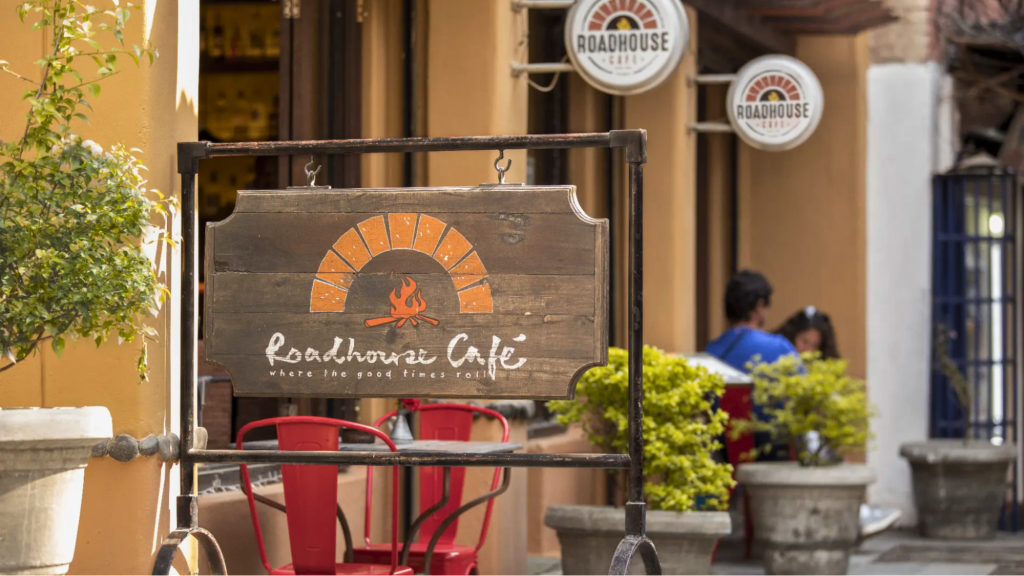
Roadhouse Café is the kind of place many travelers return to during their stay. The pizzas are genuinely good, thin, crisp, and wood-fired, and the whole place has a warm, easygoing vibe. It’s a great break from heavier local meals, and the menu works for everyone. Whether you want a quick lunch or a slow dinner, Roadhouse always feels reliable.
Opening Hours: 8 AM – 10 PM
What to Notice:
- Wood-fired pizzas
- Cozy interiors
- Smoothies & desserts
Thamel Market
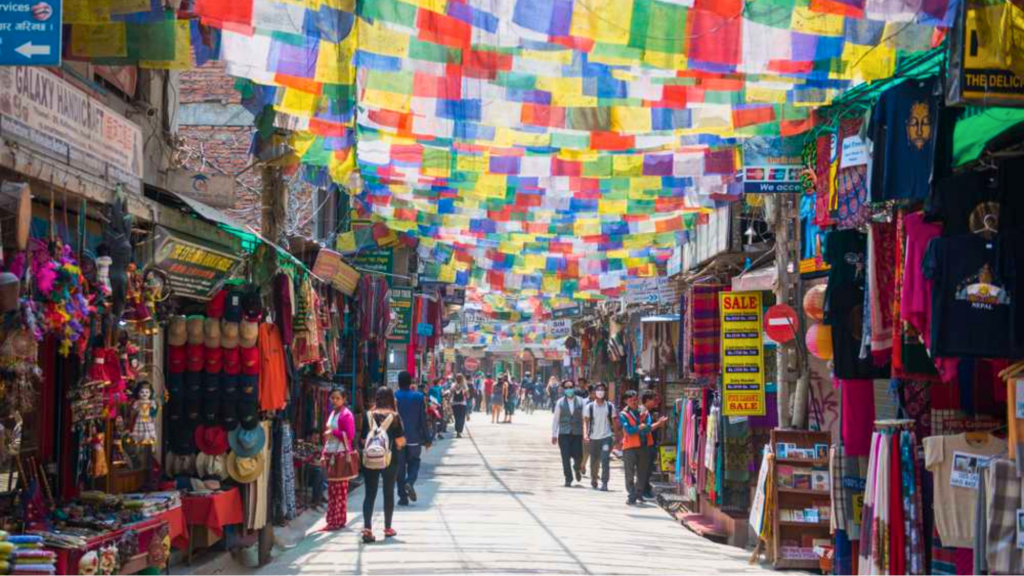
It’s a place where you go for one thing and end up staying way longer than planned. The mix of tiny shops, bright fabrics, trekking gear, cafés, and street vendors keeps pulling you in. It’s busy and a little chaotic, but that’s part of the charm. If you like wandering with no agenda, you’ll love it here.
Opening Hours: 10 AM – 9 PM
What to Notice:
- Handmade jewelry
- Singing bowls
- Colorful alleyways
Pilgrims Book House
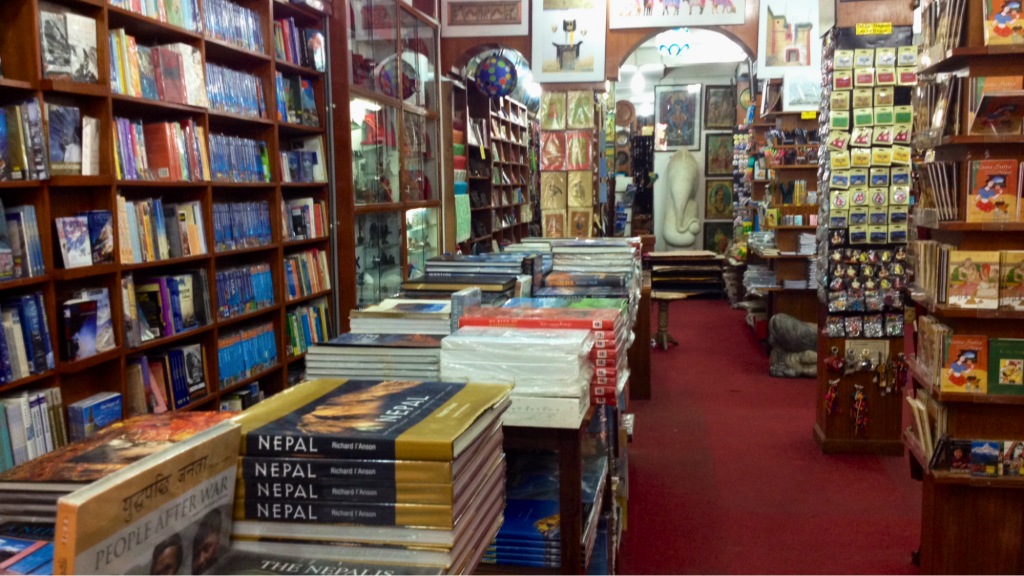
Image Credits – Bundle of Books
Pilgrims Book House is the kind of bookstore that instantly slows you down. The moment you step inside, the noise from Thamel fades, and you’re surrounded by shelves stacked with travel stories, spiritual texts, Nepali history, and everything in between. It’s easy to get lost wandering the aisles, and you’ll almost always find a book you didn’t know you needed.
Opening Hours: 9 AM – 9 PM
What to Notice:
- Tibetan philosophy section
- Himalayan travel books
- Rare finds
Asan Bazaar
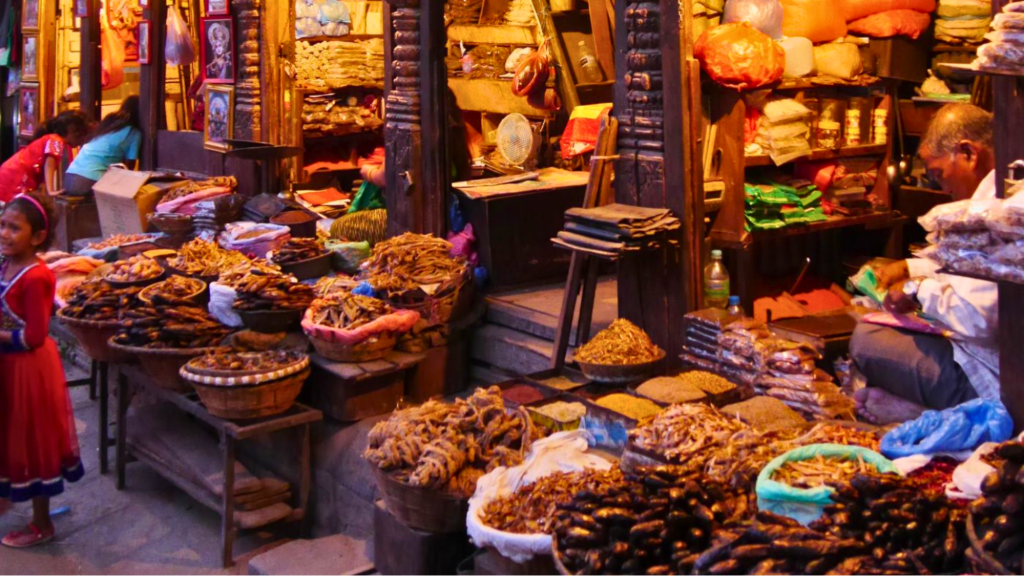
Image Credits – Nepal Hiking Team
Asan Bazaar gives you a quick look at everyday life in Kathmandu during the monsoon months. Farmers bring in fresh produce, the stalls feel lively, and everything has that earthy, just-harvested vibe. It’s not a touristy market at all, which makes it interesting; you get to see how locals shop, bargain, and move through their morning routine.
Visiting Hours: Morning hours vary
What to Notice:
- Local produce
- Seasonal fruits
- Traditional bargaining scenes
Wrapping Up Your Kathmandu Journey
Exploring Kathmandu becomes far more rewarding once you know where to focus your time. From peaceful courtyards to busy markets and quiet viewpoints, the city opens up in a way that feels personal and manageable. Plan your days around the experiences that interest you most, move at your own pace, and stay flexible. And if you prefer staying connected while you explore, Maya Mobile’s eSIM makes navigating and coordinating your plans a lot easier.
FAQs on Kathmandu Travel
1. Is Kathmandu good for tourists?
Absolutely. Kathmandu is one of those cities where ancient heritage and modern bustle coexist within a few walkable neighborhoods. Whether you’re exploring Durbar Square, circling Boudhanath Stupa, or wandering through Thamel’s colorful alleys, there’s plenty to experience even on a short visit. Most travelers find that two to three days in the city gives them enough time to soak in the highlights before heading into the Himalayas.
2. Can Americans travel to Kathmandu?
Yes. U.S. travelers can easily visit Nepal with a visa on arrival, which is available at Tribhuvan International Airport. To save time, you can pre-register online before your flight. Make sure your passport is valid for at least six months, and carry a passport-sized photo if required. Travel within the city is straightforward using taxis, ride-hailing apps, or by walking between major sights.
3. What is the best month to visit Kathmandu?
The ideal times to explore Kathmandu are spring (March–May) and autumn (September–November). These seasons bring clear skies, comfortable temperatures, and great visibility, perfect for visiting hilltop sites like Swayambhunath or taking short hikes such as Nagarjun Peak. The city feels vibrant but not overwhelming, and outdoor cultural sites are at their best.
4. Do and don’ts in Kathmandu?
Do:
- Dress modestly when visiting temples and religious sites.
- Remove your shoes before entering shrines.
- Try local dishes, explore markets like Asan, and support small shops.
- Be patient with traffic; Kathmandu moves at its own pace.
Don’t:
- Don’t touch sacred objects or step over offerings.
- Don’t photograph cremation areas at Pashupatinath.
- Don’t use your left hand for giving or receiving items.
- Don’t bargain aggressively; a friendly approach works best.