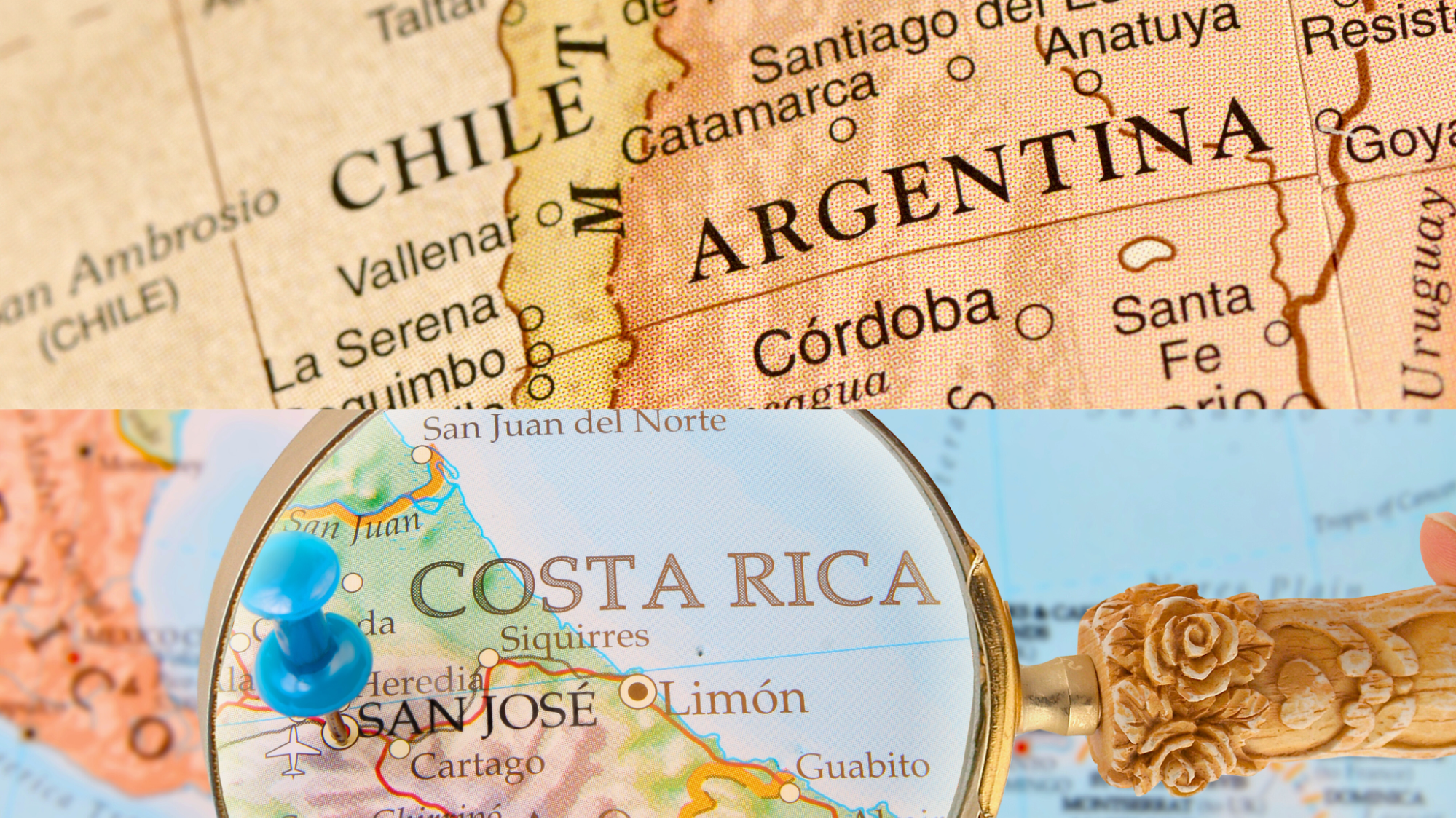
Argentina and Costa Rica are two of the most popular travel destinations in Latin America, but they offer very different experiences. Argentina is vast, with cities, mountains, deserts, glaciers, and a wide country spread across thousands of kilometers. Costa Rica is smaller, but packed with biodiversity, tropical beaches, and volcanoes.
This blog covers the best places to visit in each country, the best time to go, and what to do when you get there. You’ll also find local foods to try and tips based on each location’s natural rhythm, so you can plan a trip that fits your travel style.
Argentina
Argentina is vast, with each region offering something completely different, from bustling cities to wide deserts, dense forests, and immense ice fields.
Buenos Aires
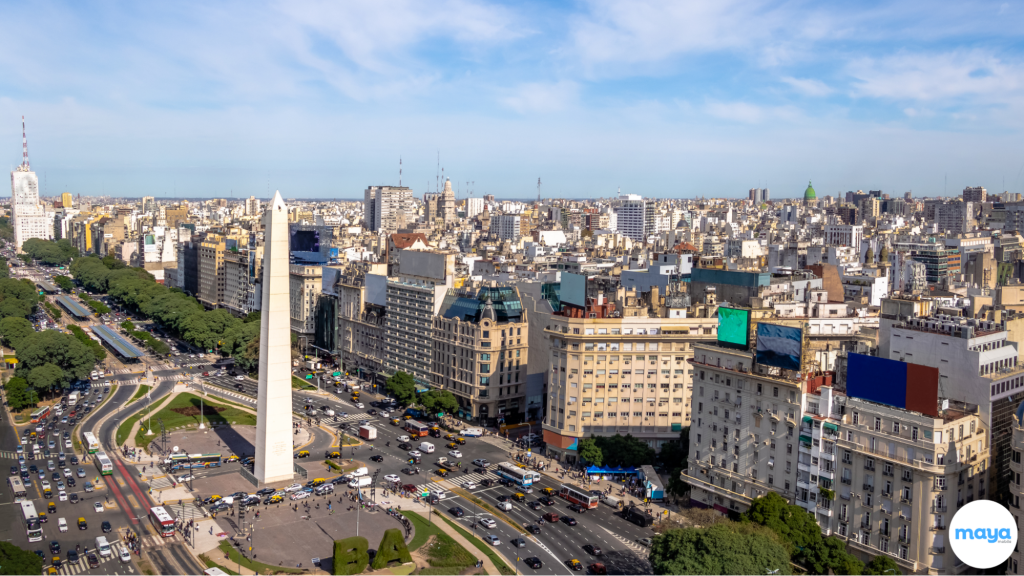
Best for: Couples & culture lovers
Best time to visit: March to May or September to November (pleasant weather, fewer crowds)
Buenos Aires is Argentina’s capital and cultural hub, a city that blends European architecture with Latin American spirit. It was founded in 1580 by Spanish settlers and later became a major port for European immigrants. Known as the birthplace of tango, the city is full of music, literature, cafés, and historic architecture that reflect its complex, vibrant identity.
What to do:
- Walk through the colorful streets of La Boca
- Catch a live tango show in San Telmo
- Visit Recoleta Cemetery and Evita’s grave
- Explore the art museums in Palermo
Must try foods:
- Empanadas porteñas
- Milanesa a la napolitana
Iguazú Falls
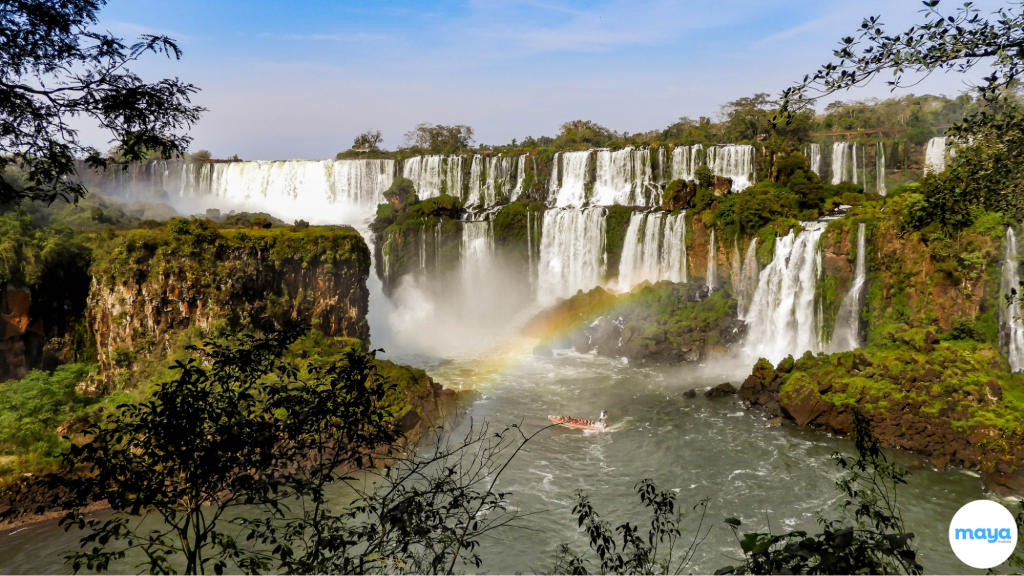
Best for: Families & nature lovers
Best time to visit: April to June or August to October (less humidity, good water flow)
Iguazú Falls is one of the world’s largest and most stunning waterfall systems, set on the border of Argentina and Brazil. Discovered by Spanish explorer Álvar Núñez Cabeza de Vaca in 1541, the falls are now part of a UNESCO World Heritage Site. The surrounding rainforest is rich in wildlife, with trails and platforms that bring you right up close to the roaring water.
What to do:
- Walk the upper and lower circuits of the falls
- Take a boat ride under the Devil’s Throat
- Visit the Iguazú National Park wildlife trails
- Cross to Brazil for a panoramic view
Must try foods:
- Chipa (cheesy manioc bread)
- Pirañado (local river fish stew)
Patagonia
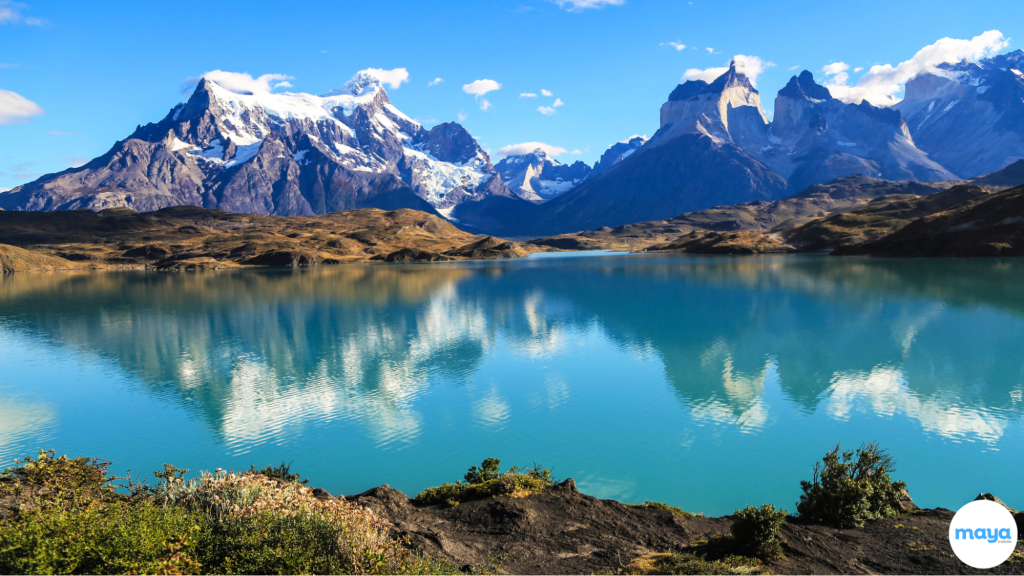
Best for Adventure seekers & landscape lovers
Best time to visit: November to March (warmer temperatures, best for hiking and outdoor travel)
Patagonia is a vast region stretching across southern Argentina, known for its glaciers, mountains, and wild terrain. Early explorers like Ferdinand Magellan passed through these lands in the 1500s, and it later became famous during Charles Darwin’s voyage on the HMS Beagle. Today, it’s a dream for outdoor lovers, remote, raw, and full of striking views across land, ice, and sky.
What to do:
- Hike through national parks like Los Glaciares or Torres del Paine (Chilean side)
- Spot wildlife like guanacos and condors
- Drive along the scenic Ruta 40
- Camp under the stars in the Patagonian steppe
Must try foods:
- Cordero patagónico (slow-roasted Patagonian lamb)
- Trucha (freshwater trout)
Ushuaia

Best for: Adventure travelers & cruise lovers
Best time to visit: December to March (summer in the southern hemisphere, ideal for outdoor activities and Antarctica cruises)
Ushuaia is the southernmost city in the world, often called “the end of the world.” It was founded in the late 1800s as a penal colony and naval base. Surrounded by the Martial Mountains and the Beagle Channel, it’s a launch point for Antarctic expeditions and home to dramatic southern landscapes. The city is small but full of history and raw beauty.
What to do:
- Cruise the Beagle Channel to see sea lions and penguins
- Ride the End of the World Train to Tierra del Fuego National Park
- Visit the former prison turned maritime museum
- Hike the Glacier Martial trail for panoramic views
Must try foods:
- Centolla (king crab)
- Merluza negra (Patagonian toothfish)
San Carlos de Bariloche
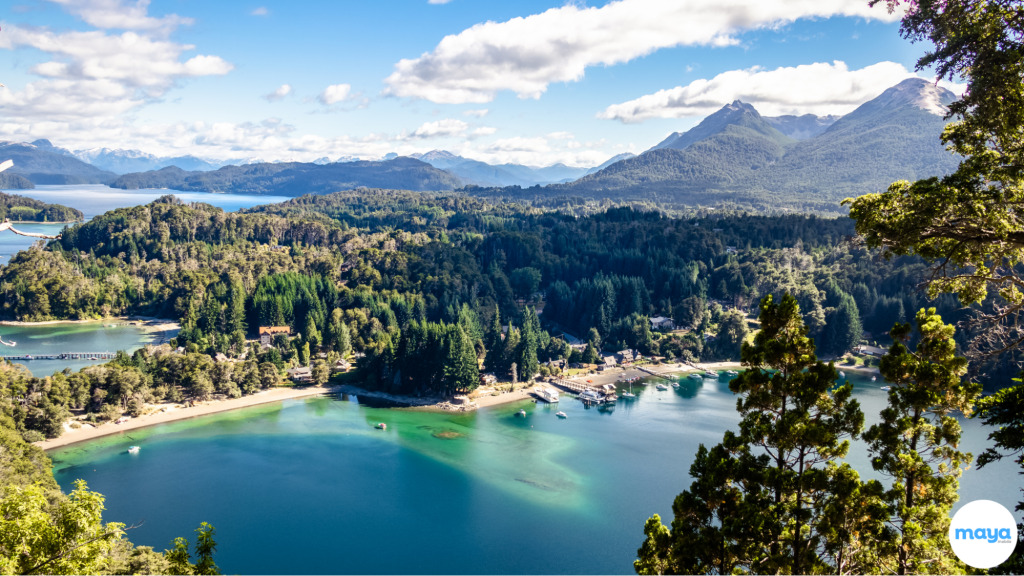
Best for Families & couples
Best time to visit: December to March for hiking and lake views; July to September for skiing
Bariloche sits in the Andes, on the edge of the stunning Nahuel Huapi Lake. Originally settled by Germans and Swiss immigrants in the late 19th century, the town still reflects that Alpine influence in its architecture and chocolate-making culture. Today, it’s known for both its summer hiking trails and winter ski resorts, making it a year-round getaway spot with postcard-perfect views.
What to do:
- Ride the chairlift to Cerro Campanario for panoramic views
- Drive the scenic Circuito Chico loop
- Hike or kayak around Nahuel Huapi National Park
- Ski or snowboard at Cerro Catedral in winter
Must try foods:
- Curanto (traditional meat and veggie dish cooked underground)
- Chocolate artesanal (handmade chocolate, a local specialty)
El Chaltén
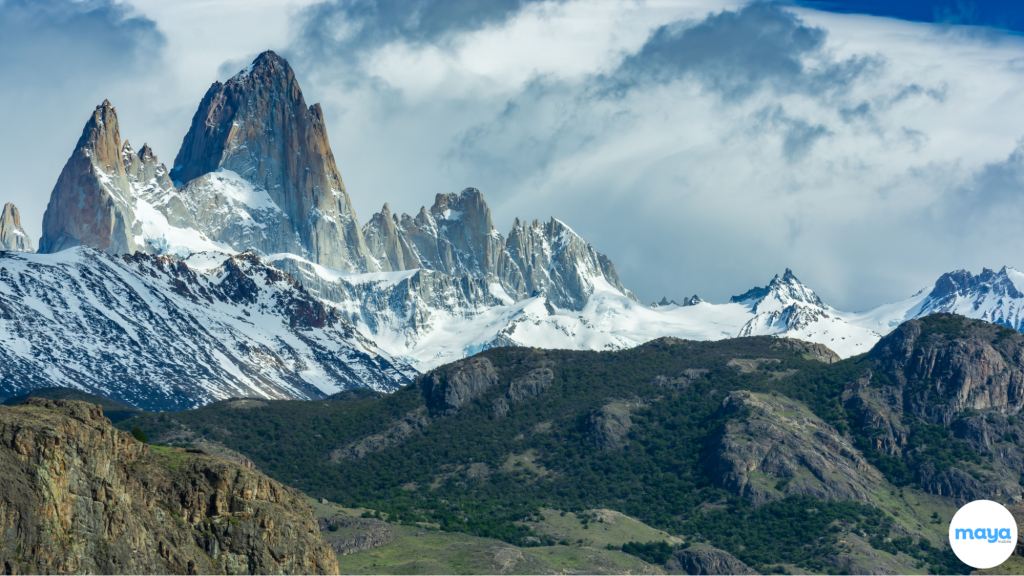
Best for Hikers & solo travelers
Best time to visit: November to March (longer days and better trail conditions)
El Chaltén is Argentina’s hiking capital, a small village set at the base of the famous Fitz Roy mountain. It was founded in 1985, not for tourism, but to strengthen Argentina’s border claim during a territorial dispute with Chile. Since then, it’s become a magnet for trekkers drawn to its rugged peaks, glaciers, and free-access trails. Despite its popularity, it still feels remote and wild.
What to do:
- Hike the Laguna de los Tres trail for views of Mount Fitz Roy
- Explore the quieter Laguna Capri route
- Visit the nearby Viedma Glacier
- Watch sunrise or sunset over the Andes
Must try foods:
- Guiso de lentejas (hearty lentil stew)
Cordero fueguino (Patagonian lamb)
Península Valdés
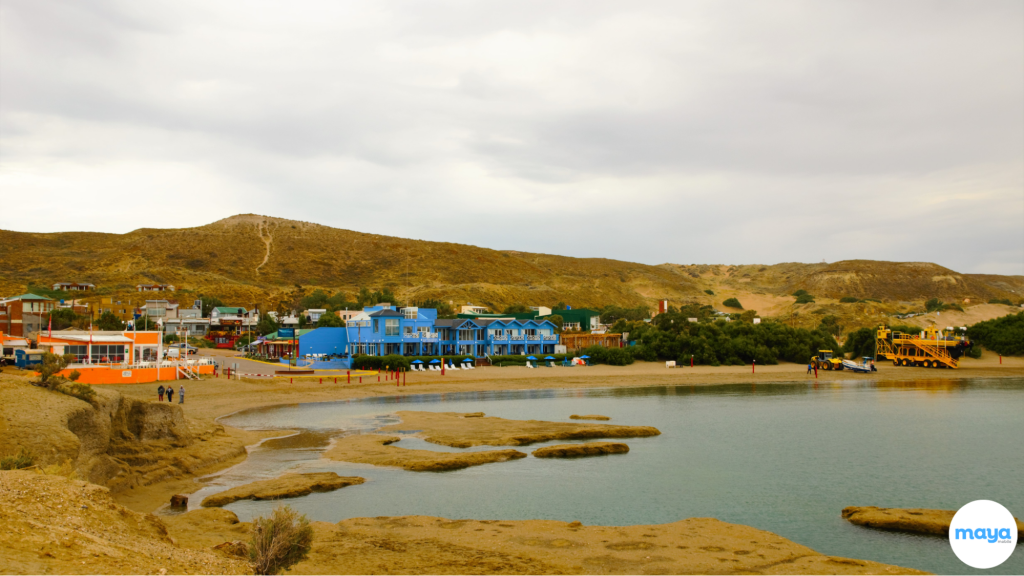
Best for: Wildlife lovers & families
Best time to visit: September to December (prime whale-watching season and active wildlife)
Península Valdés is a UNESCO World Heritage Site and one of South America’s most important wildlife reserves. It was named by Spanish explorers in the 18th century and later became known for its role in marine biology and conservation. The area hosts a rich variety of animals in their natural habitat, including southern right whales, penguins, sea lions, and orcas that famously beach themselves to hunt.
What to do:
- Go whale watching in Puerto Pirámides
- See Magellanic penguins at Punta Tombo
- Spot orcas and sea lions at Punta Norte
- Visit the interpretive center in Puerto Madryn
Must try foods:
- Mariscos al ajillo (garlic seafood)
- Rabas (fried calamari)
Mendoza
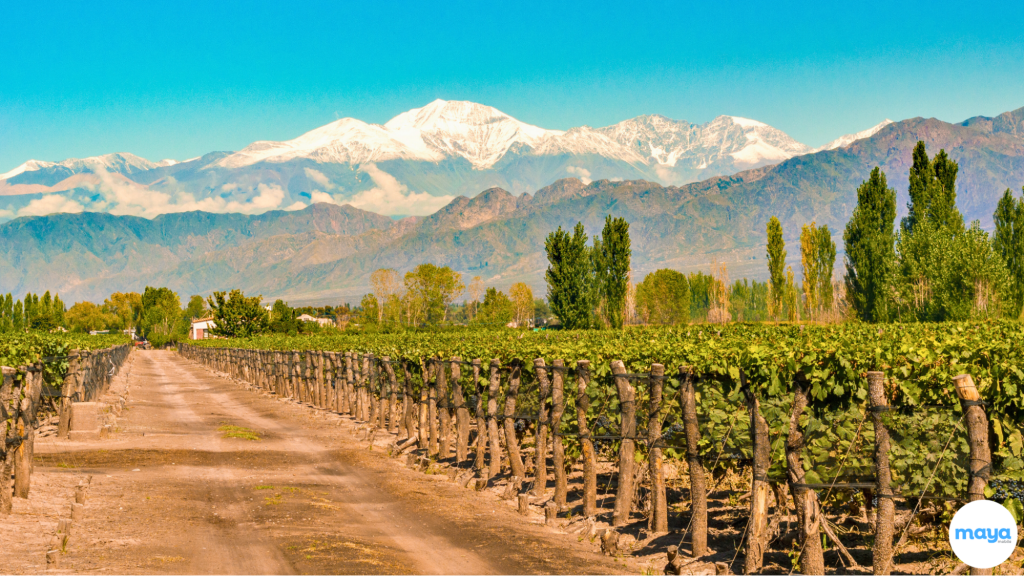
Best for: Wine lovers & couples
Best time to visit: March to May (grape harvest season and ideal weather)
Mendoza is Argentina’s wine capital, sitting at the base of the Andes. The region has been producing wine since the 16th century, but it gained global recognition in the 1990s with its award-winning Malbecs. Originally settled by the Spanish in the 1500s, Mendoza played a key role in Argentina’s independence movement. Today, it’s a laid-back mix of vineyards, mountain views, and sun-drenched plazas.
What to do:
- Take a wine tour through the Uco Valley or Maipú
- Cycle between vineyards with guided tastings
- Visit the Andes via a day trip to Aconcagua Park
- Stroll around Plaza Independencia and local markets
Must try foods:
- Asado mendocino (local-style barbecue)
- Empanadas mendocinas (spiced meat empanadas)
Quebrada de Humahuaca
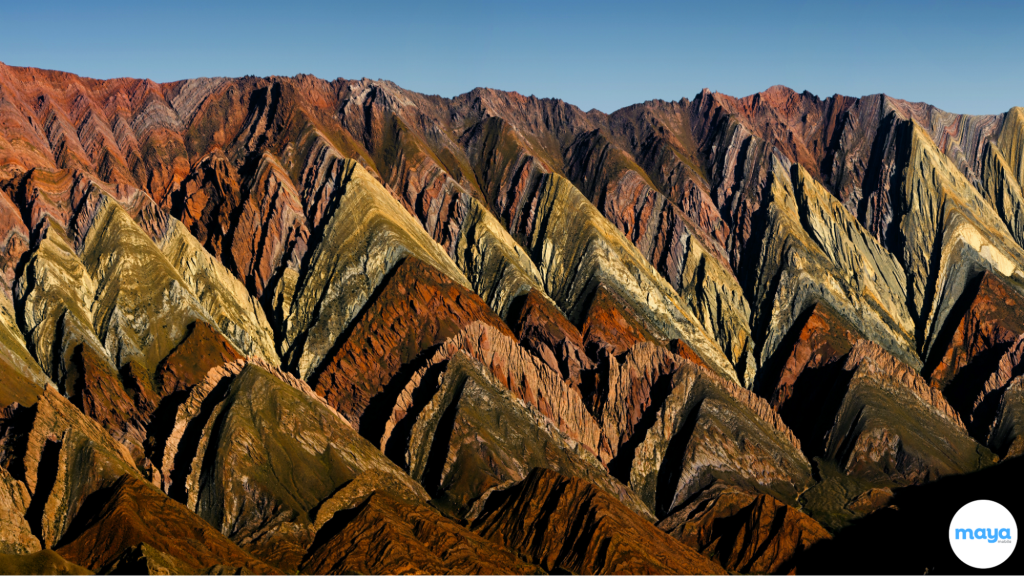
Best for Culture seekers & scenic road trippers
Best time to visit: April to October (dry season with clear skies and cooler temperatures)
The Quebrada de Humahuaca is a colorful mountain valley in Argentina’s far north, rich in Indigenous culture and history. It was once part of an ancient Inca trade route and later played a role in Argentina’s fight for independence. The region is known for its layered rainbow-colored hills, colonial towns, and traditional Andean customs that still shape local life today.
What to do:
- Visit the Hill of Seven Colors in Purmamarca
- Explore the ancient ruins of Pucará de Tilcara
- Drive the scenic route through the valley’s small towns
- Shop for local crafts and textiles in the markets
Must try foods:
- Locro (hearty corn and meat stew)
- Tamales salteños (corn dough stuffed with meat, steamed in leaves)
Perito Moreno Glacier
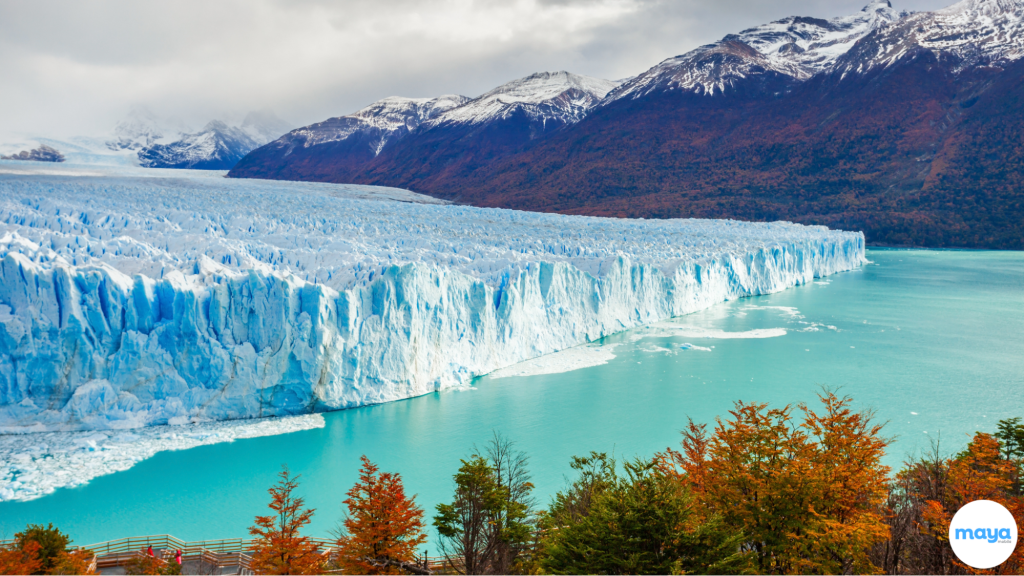
Best for Nature lovers & photographers
Best time to visit: November to March (warmer weather and best chance to see ice calving)
The Perito Moreno Glacier is one of the few glaciers in the world that is still growing. Located in Los Glaciares National Park, it was named after explorer Francisco Moreno, who helped defend Argentine territory in the late 1800s. The glacier stretches over 30 km and rises 70 meters above the lake, offering unforgettable views and the thunderous sound of cracking ice.
What to do:
- Walk the viewing platforms for close-up glacier views
- Take a boat tour along the face of the glacier
- Go on an ice-trekking excursion with a local guide
- Visit the park’s visitor center and museum
Must try foods:
- Calafate jam (made from local berries, tied to the legend “if you eat it, you’ll return”)
- Lamb stew (slow-cooked, warming mountain food)
Costa Rica
Costa Rica is all about nature. From jungle trails to surf towns, the country keeps life simple, wild, and full of reasons to slow down.
Monteverde Cloud Forest Reserve
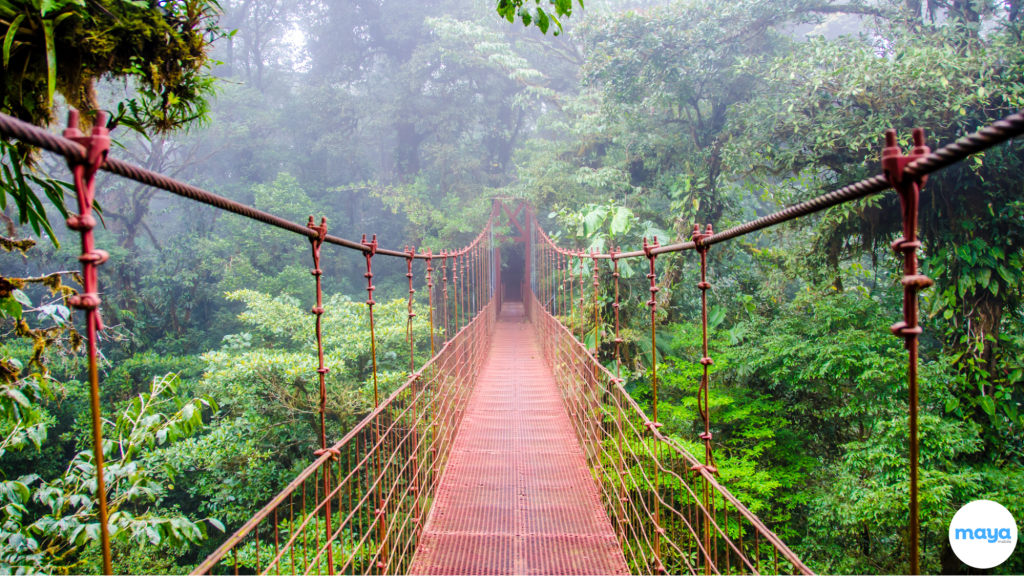
Best for: Nature lovers & eco-tourists
Best time to visit: December to April (dry season, best visibility and trail access)
Monteverde’s Cloud Forest is one of the most biodiverse places on Earth. The reserve was created in 1972 by scientists and Quaker settlers who had moved to Costa Rica to avoid the Korean War draft. It’s home to over 400 bird species, orchids, monkeys, and mist-covered trails that feel otherworldly. Monteverde also helped set the tone for Costa Rica’s eco-tourism movement, now central to its identity.
What to do:
- Hike through hanging bridges in the forest canopy
- Go birdwatching for the rare resplendent quetzal
- Visit the Monteverde Butterfly Garden
- Try zip-lining above the treetops
Must try foods:
- Gallo pinto (rice and beans, Costa Rica’s staple)
- Tamal tico (corn dough filled with pork, wrapped in banana leaves)
Manuel Antonio National Park
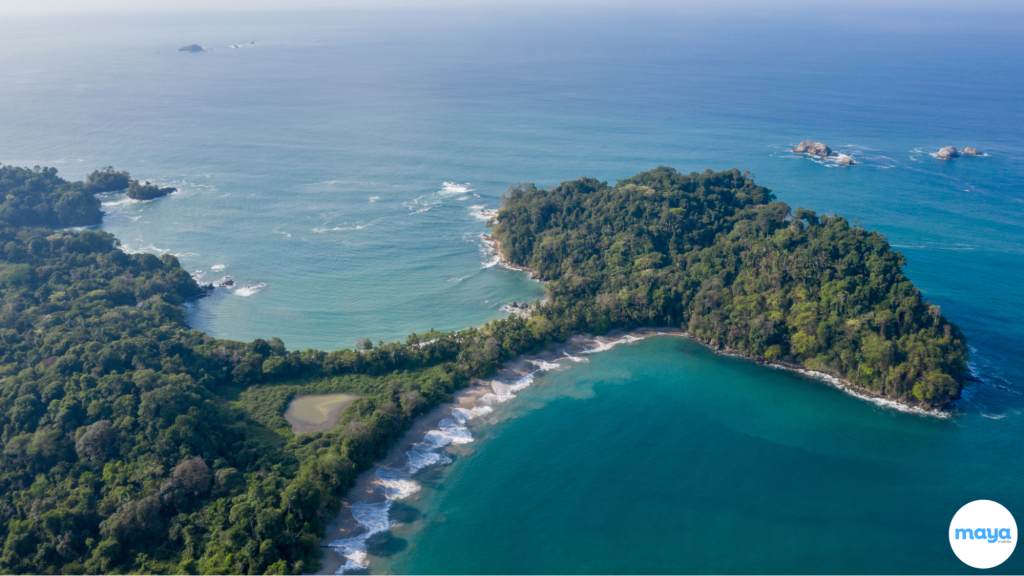
Best for Families & first-time visitors
Best time to visit: December to April (dry season, ideal for beach and wildlife spotting)
Manuel Antonio is one of Costa Rica’s most visited national parks, and for good reason. It was established in 1972 to protect the region’s rich biodiversity from expanding development. Though it’s one of the smallest parks, it’s packed with monkeys, sloths, iguanas, and tropical birds, all set against a backdrop of white-sand beaches and lush rainforest trails.
What to do:
- Hike the main trail for ocean views and wildlife
- Relax or swim at Playa Espadilla Sur
- Spot sloths and howler monkeys on guided walks
- Visit the nearby town of Quepos for local flavor
Must try foods:
- Casado (rice, beans, meat, plantains, and salad, a classic Costa Rican plate)
- Ceviche de pescado (fresh fish marinated in lime juice)
Corcovado National Park
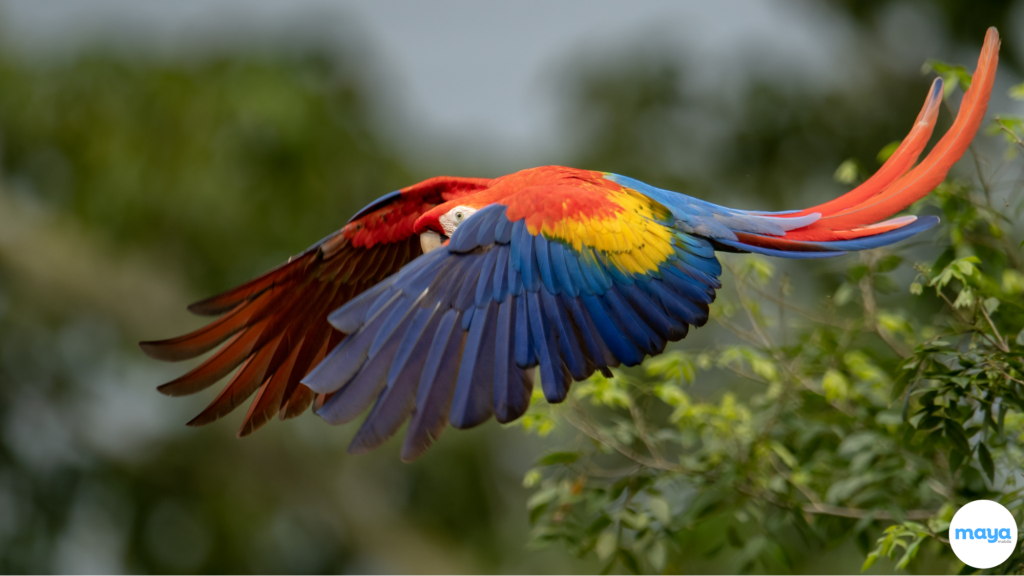
Best for: Adventure travelers & wildlife enthusiasts
Best time to visit: January to April (dry season; trails are more accessible and wildlife easier to spot)
Corcovado, located on the Osa Peninsula, is often called the most biologically intense place on Earth. The park was created in 1975 after public outcry stopped gold mining and logging in the area. It protects rare species like jaguars, tapirs, and scarlet macaws. Getting here takes effort, but the untouched rainforest, remote beaches, and deep biodiversity make it one of Costa Rica’s wildest experiences.
What to do:
- Hike the Sirena Ranger Station trails with a guide
- Spot monkeys, anteaters, and tropical birds
- Camp overnight in designated park areas
- Visit nearby Drake Bay for boat access and tours
Must try foods:
- Rondón (Caribbean-influenced seafood stew with coconut milk)
- Arroz con camarones (shrimp with seasoned rice)
Tamarindo
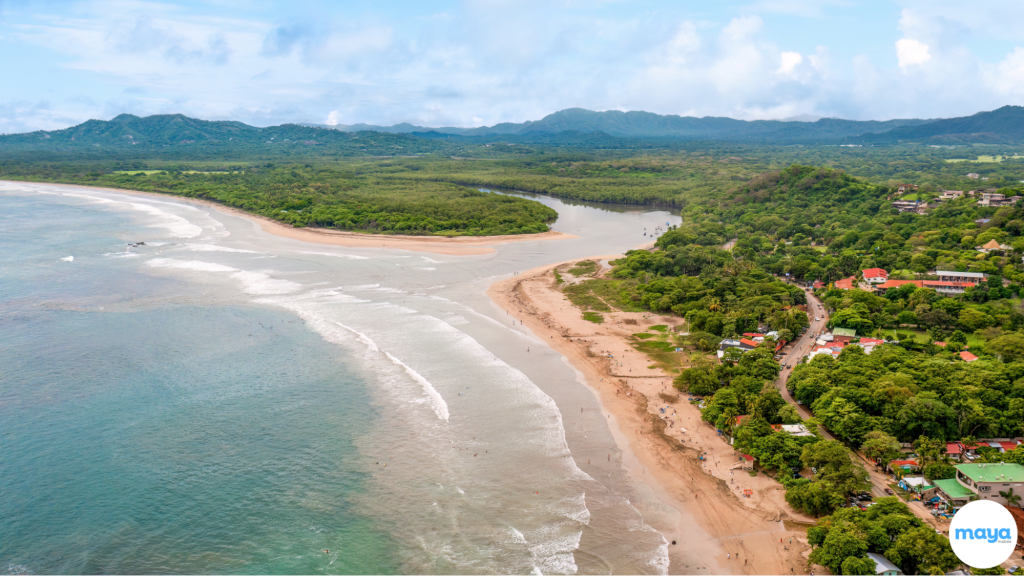
Best for Surfers & beach-loving digital nomads
Best time to visit: December to April (sunny days and great surf conditions)
Tamarindo was once a quiet fishing village, but it began attracting surfers in the 1990s and quickly grew into one of Costa Rica’s top beach towns. Located on the Nicoya Peninsula, it’s known for its long waves, golden beaches, and lively, laid-back vibe. While more developed than other spots, it still keeps its tropical charm and is a favorite for sunset watching and beginner surfers.
What to do:
- Learn to surf or take a paddleboarding class
- Take a catamaran cruise at sunset
- Explore nearby Las Baulas National Marine Park (home to nesting leatherback turtles)
- Enjoy beach bars, cafés, and shops in town
Must try foods:
- Patacones (fried plantain slices with toppings)
- Pescado entero frito (whole fried fish, usually red snapper)
San José
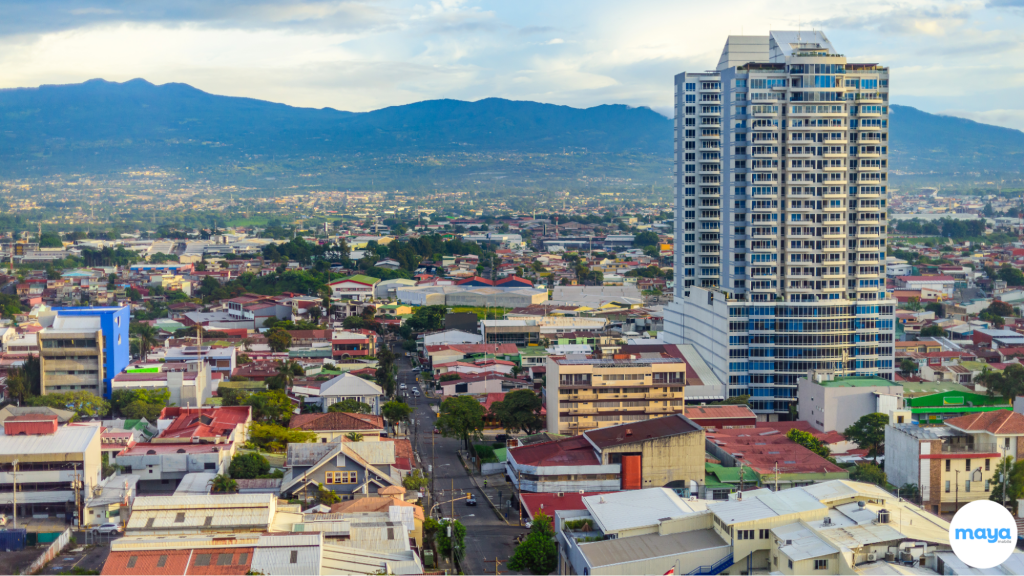
Best for Culture lovers & city explorers
Best time to visit: December to April (dry season, fewer rain disruptions for walking tours and museums)
San José, the capital of Costa Rica, sits in the Central Valley and blends colonial history with a fast-moving urban scene. The city grew rapidly after coffee exports took off in the 19th century, shaping its economy and architecture. Though many travelers pass through quickly, it’s worth exploring for its museums, markets, and a real glimpse into daily Costa Rican life beyond the beaches and jungles.
What to do:
- Visit the National Museum and the Pre-Columbian Gold Museum
- Stroll around Barrio Amón for historic buildings and cafés
- Explore the Central Market for local snacks and souvenirs
- Catch a performance at the National Theatre
Must try foods:
- Sopa negra (black bean soup, often with egg and rice)
- Chifrijo (a bar favorite, rice, beans, pork, and salsa)
Santa Teresa
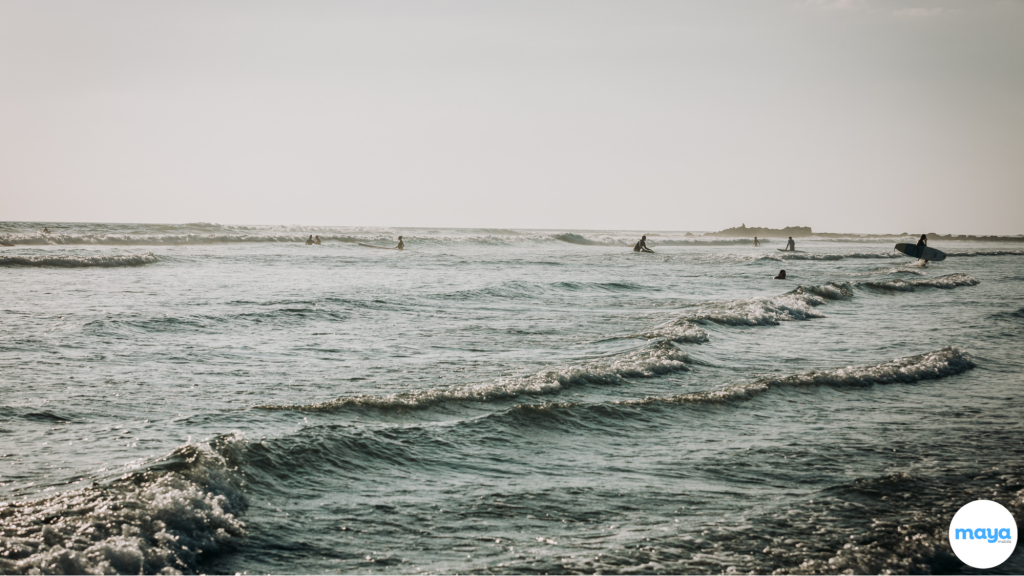
Best for: Surfers & remote workers
Best time to visit: December to April (dry season with consistent surf and easier roads)
Santa Teresa is a laid-back surf town on the Nicoya Peninsula that has quietly grown into a hotspot for digital nomads and wellness travelers. It started as a fishing village, but by the early 2000s, international surfers and expats began moving in. Despite the buzz, it still feels remote, with dirt roads, yoga retreats, and a relaxed vibe that blends beach life with jungle surroundings.
What to do:
- Surf or take lessons on Playa Santa Teresa
- Join a beachfront yoga or fitness class
- Rent an ATV and explore nearby beaches like Malpaís
- Watch the sunset with locals and travelers at the beach
Must try foods:
- Smoothie bowls (local fruits, granola, and coconut, common in cafés)
- Tacos de pescado (grilled fish tacos, often caught fresh)
Isla Tortuga
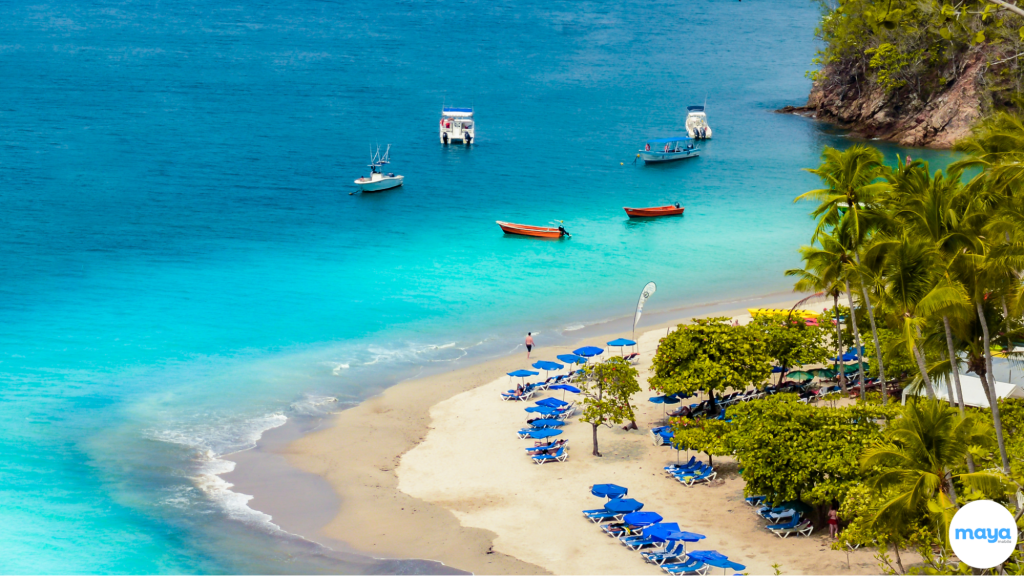
Best for: Day-trippers & snorkelers
Best time to visit: December to April (calm seas and sunny days for boat trips)
Isla Tortuga is a small, uninhabited island off the Nicoya Peninsula, known for its white-sand beaches and clear turquoise waters. While it has no historical settlements, it’s become one of Costa Rica’s top spots for day trips and marine adventures. Protected as part of a biological reserve, it offers excellent snorkeling, calm swimming areas, and that perfect tropical island feel, all reachable by boat.
What to do:
- Snorkel around coral reefs with tropical fish
- Relax or picnic on the beach under palm trees
- Take a boat tour from Puntarenas or Montezuma
- Go kayaking or paddleboarding in calm waters
Must try foods:
- Pescado al ajillo (fish in garlic sauce, often served on tours)
- Frutas frescas (tropical fruit platters with mango, pineapple, and papaya)
La Fortuna
Best for: Adventure seekers & families
Best time to visit: January to March (dry weather and great views of the volcano)
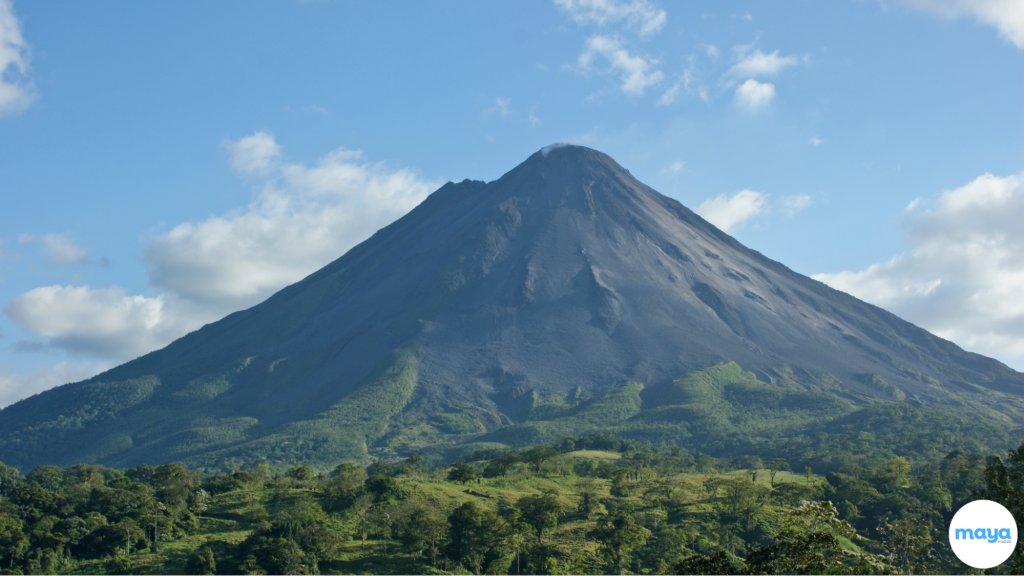
La Fortuna is a lively town best known for the Arenal Volcano, which was unexpectedly reactivated in 1968 after a long dormant period. Since then, it has become one of Costa Rica’s top adventure hubs. While the volcano is now in a resting phase, the area still offers hot springs, waterfalls, and rainforest hikes, all set against a dramatic volcanic backdrop.
What to do:
- Soak in natural hot springs around Arenal
- Hike the Arenal Volcano National Park trails
- Visit La Fortuna Waterfall and swim at the base
- Go zip-lining or whitewater rafting nearby
Must try foods:
- Olla de carne (hearty beef and vegetable stew)
- Yuca frita (crispy fried cassava)
The Caribbean Coast
Best for: Culture lovers & off-the-beaten-path travelers
Best time to visit: September to October (dry season here is opposite to the Pacific side)
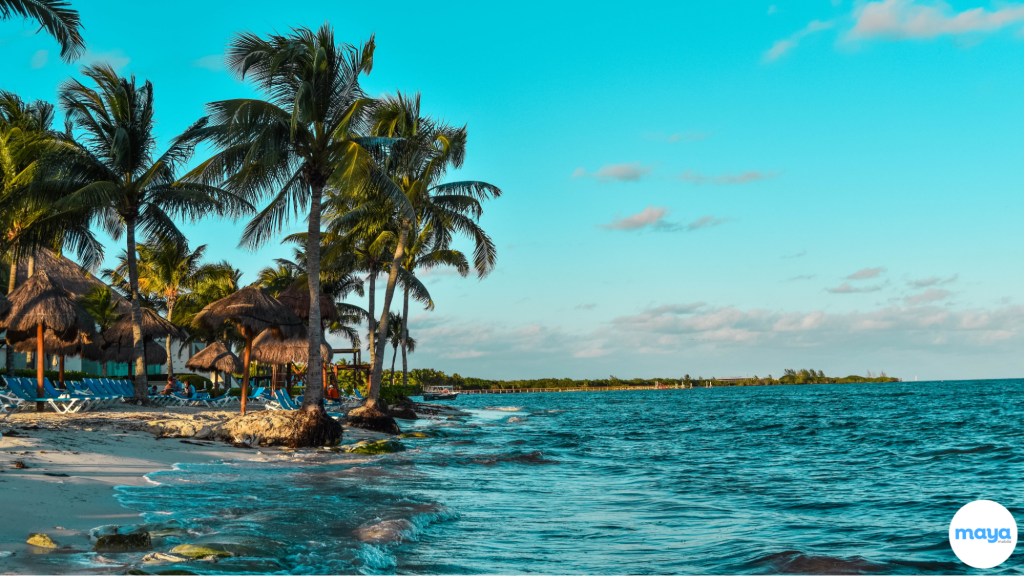
Costa Rica’s Caribbean Coast has a very different feel, with Afro-Caribbean culture, reggae beats, and creole flavors. Towns like Puerto Viejo and Cahuita reflect a blend of Indigenous and Jamaican heritage. The coast remained largely undeveloped until the late 20th century due to limited road access, helping preserve its wild beauty. It’s less touristy than the Pacific, but rich in culture, wildlife, and beaches.
What to do:
- Snorkel and hike in Cahuita National Park
- Explore beaches and surf spots near Puerto Viejo
- Visit the Jaguar Rescue Center
- Take a canoe tour in Tortuguero National Park (especially during the turtle nesting season)
Must try foods:
- Rice and beans with coconut milk (Caribbean style, not to be confused with gallo pinto)
- Pan bon (sweet, spiced Caribbean bread)
Two Countries, One Easy Connection
Argentina and Costa Rica are very different, but both are worth visiting if you go at the right time. Some places are better in summer, others in the dry season, and planning makes your trip easier and more enjoyable.
And when you’re traveling between countries, staying connected is simple. MayaMobile’s eSIM works without a physical SIM card, making it quick to set up and reliable whether you’re in cities, small towns, or national parks. Pick the places that fit your style, check the season, and let the trip shape itself from there.
Related Reads
- Summer in Italy vs. Turkey: What to Expect, See and Taste in 2025
- Easy Guide on How to Transfer eSIM from One Phone to Another
FAQs on Argentina vs Costa Rica Travel
1. Is Costa Rica or Argentina more expensive?
Outside of study abroad fees, overall, Costa Rica tends to be more expensive for travelers, whereas Argentina’s economic fluctuations can make it more affordable at times.
2. Is it worth traveling to Argentina?
If you’re wondering whether you should visit Argentina, then know that the country has something for everyone. In the north of Argentina, you’ll experience surprising rock formations, taste incredible wines, and experience a culture that is distinctly different from other areas of Argentina.
3. What is the fanciest part of Costa Rica?
Escazú is one of the wealthiest places in Costa Rica, with many expensive restaurants and shops, and it has some of the most exclusive shopping and dining in the country. It has new developments, like Avenida Escazu, which holds the country’s first IMAX theater. Avenida Escazu is a modern outdoor mall/center.
4. What is the most tourist friendly country in South America?
Argentina is a popular travel destination and a safe country to visit. Violent crime rates are low, locals are friendly, and remote areas are easily accessible. Many flock to Argentina to explore the vibrant capital of Buenos Aires.